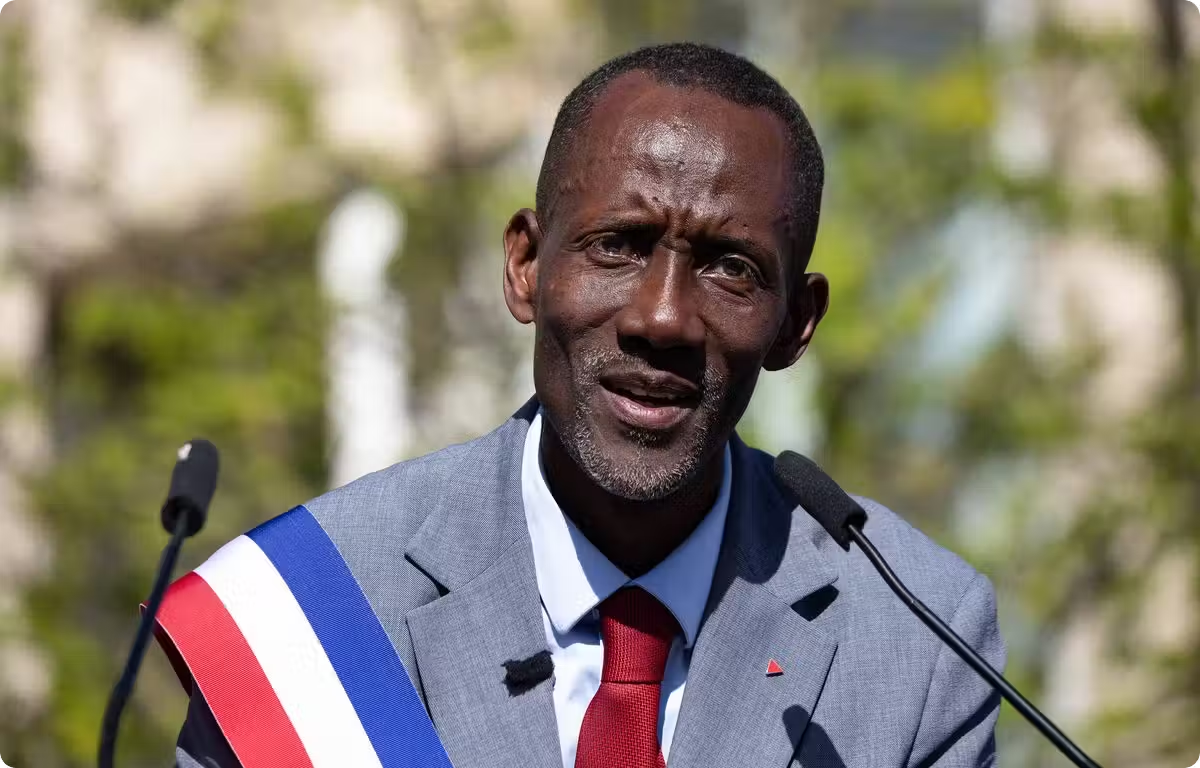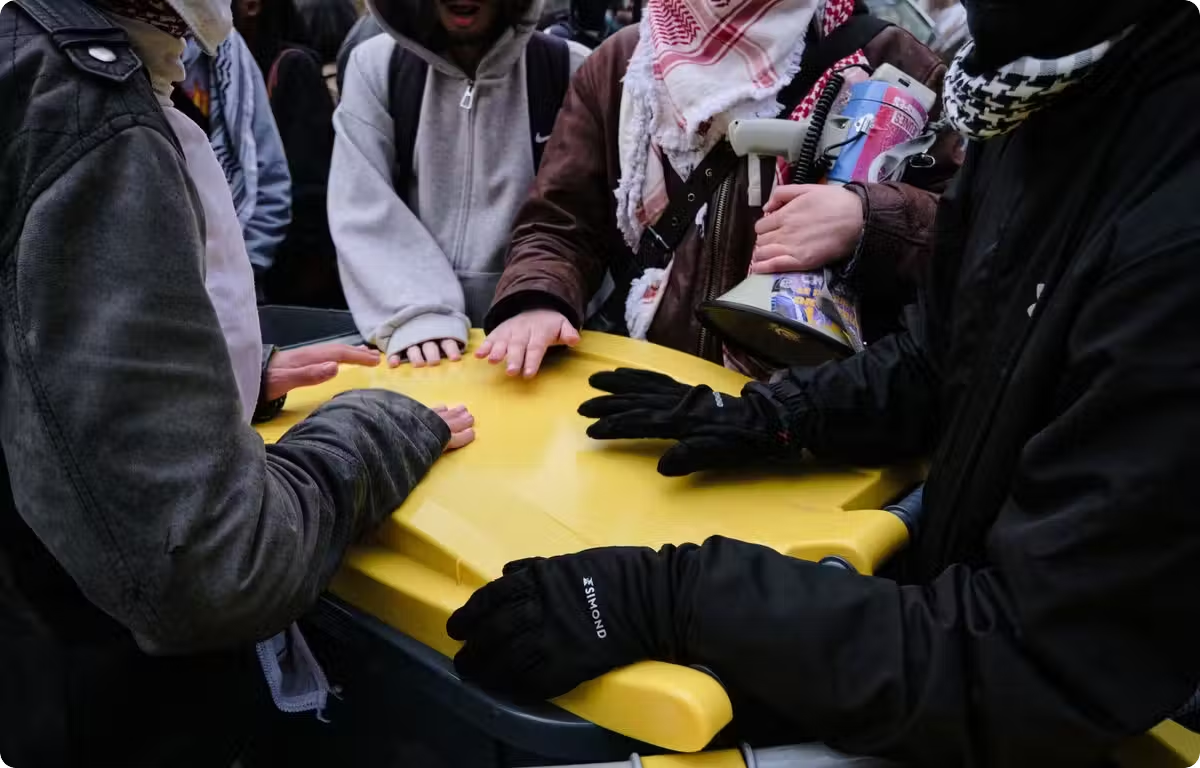
Headteachers in France are calling for solidarity gatherings outside their schools on Friday, responding to what they describe as unprecedented levels of violence during the ongoing secondary school strike movement. The announcement by the SNPDEN-Unsa union, which represents school administration staff, comes amid widespread incidents of arson, vandalism, and direct attacks against principals. Gérard Heinz, a principal in Cholet and member of the union’s national executive board, told 20 Minutes that staff feel constant anxiety, describing the situation as “absolutely hallucinating” compared to previous movements over his twenty-five-year career. He highlighted that the current campaign involves a specific intent to destroy infrastructure, citing newly built schools in Nantes as targets, and marked the first time administration teams have faced violence of such gravity. The distress among school leaders has led to severe professional consequences, with some principals requesting transfers or resignation ahead of the next academic year, while others have taken sick leave—a rarity for heads of establishment. Heinz warned that the staff cannot continue indefinitely under such pressure, stating that “we will all fall like flies” one day because they are not robots. Despite sharing the students’ legitimate grievances regarding budget cuts, reduced support roles, and dwindling resources, the union distinguishes between valid protest and the criminal targeting of buildings and personnel. [1]
As the story develops
Update
French Government Orders Systematic Sanctions for Students and Staff in School Blockades
The French government has ordered the systematic imposition of disciplinary sanctions against high school students and staff involved in ongoing campus blockades, marking a significant escalation in the state's response to the student strike movement that began in mid-September. In a directive sent on Friday to rectors and prefects, Interior Minister Laurent Nuñez and Education Minister Édouard Geffray detailed new measures aimed at curbing what they describe as escalating violence and disruption in schools across France. The order mandates the routine summoning of legal representatives for any student participating in a blockade, requiring a formal educational dialogue in the student’s presence. Furthermore, the government has instructed authorities to ensure a very early morning presence at schools facing blockades and to systematically apprehend those causing disturbances. These sanctions apply not only to acts committed on school premises but also to actions occurring outside the institution if they seriously interfere with its functioning. [2]
The directive broadens the scope of potential disciplinary penalties to include calls for violence, property damage, blocking access to interior spaces, and verbal or physical aggression against school personnel. In severe cases, students face temporary bans from the school grounds while disciplinary proceedings are underway. Critically, the rules also extend to civil servants, including teachers and supervisors, who are bound by strict duties of exemplarity, reserve, and neutrality. Any public statement contrary to these duties can now trigger disciplinary procedures. The ministers explicitly stated that staff who voluntarily refuse to perform their duties, such as teachers refusing to welcome students during scheduled hours, should be considered participants in the strike. The stated priority is the restoration of a serene climate to ensure students can study effectively and prepare for examinations. [2]
- Categories:
- Society
- Entities: