The central conflict of a modern divorce narrative unfolds in the quiet despair of financial uncertainty, as recounted by a writer reflecting on a pivotal meeting with a financial advisor in Seattle. During a period of active divorce, the author sought professional guidance to stabilize her financial bearings, driven by a daily paralysis caused by fears of covering rent, student loans, car payments, credit card debt, and health insurance premiums. The setting of this confrontation was starkly symbolic: the advisor’s corner office overlooked Seattle’s Lake Union, offering a breathtaking view that stood in sharp contrast to the author’s internal state. Soaring past the window was a bald eagle, an image of freedom that highlighted the author’s feeling of being trapped. She recalls sitting up straight, pulling her baseball cap back, and steeling herself to obey the plan that was about to be laid out before her, fearing that the dread she woke up with every day was literally killing her. [1]
The financial plan delivered was devastatingly simple and brutally realistic. The advisor stated that if the client wished to retire at age 67 while maintaining her current standard of living, she would need to save $12,000 per month until then. For the author, this number was incomprehensible. Her current standard of living was described not as luxurious, but as precarious: a dingy little apartment with rats in the backyard and a dishwasher falling out of the wall. Despite the absurdity of comparing her current misery to the proposed future, the gap between her reality and the required savings was insurmountable. [1]
The immediate aftermath of the appointment marked a breaking point. Unable to breathe under the weight of the impossibility, the author paid the agreed-upon $1,000 fee, gathered her belongings, and left the building. She returned to her half-paid-off Kia Soul and drove to what she sarcastically called her “home.” Upon arriving, she collapsed onto a sofa donated by a friend, poured a glass of wine, and cried. The emotional release led to a pragmatic, albeit desperate, decision to escape the reality of her finances. [1]
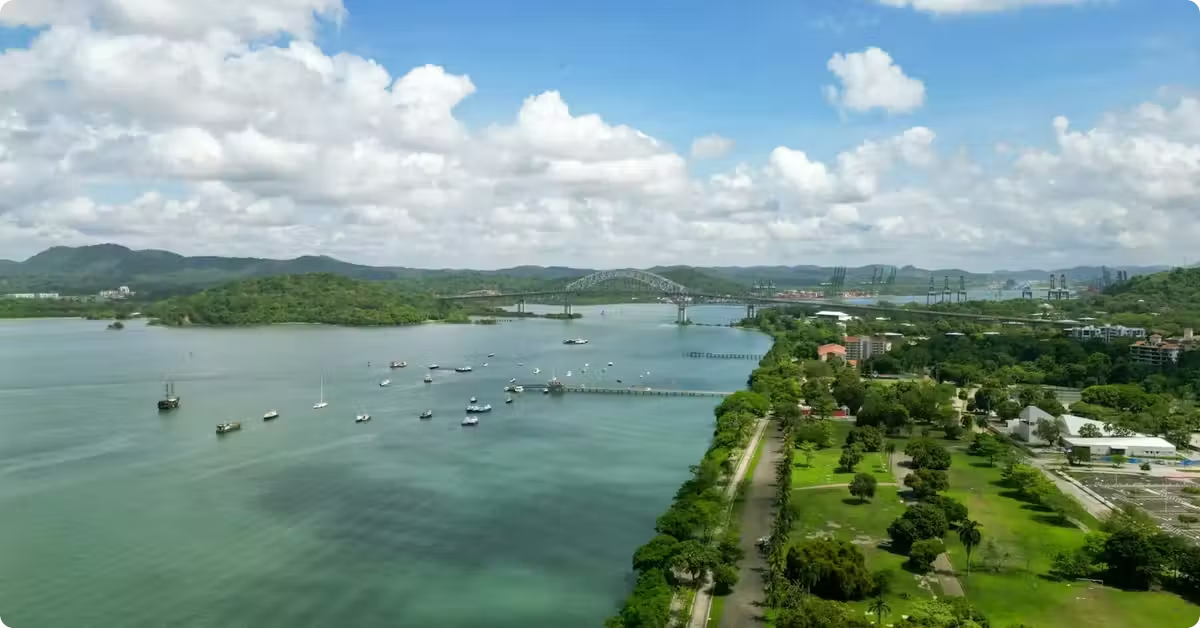
With only $831.26 in her savings account, the author turned to Expedia, seeking a way to flee for as long as her remaining funds would allow. If retirement was impossible, the next best option was temporary escape. She booked a round-trip airline ticket to Panama City for $492 and posted a plea on social media asking if anyone knew someone she could stay with. This spontaneous act of self-rescue transported her away from her cramped apartment and into a completely different environment. [1]
Life in Panama became a catalyst for intellectual and emotional liberation. Initially staying in a hostel, the author explored Casco Viejo, the historic district, and marveled at the audacity of the Panama Canal. Traveling through David, she eventually reached Boquete, a mountain town inhabited by expatriates and surrounded by lush green hills. It was here that she stayed with Diane, an 82-year-old retired U.S. citizen and a friend of a friend. Diane’s life appeared rich in every meaningful aspect: she owned a condo, was part of a vibrant community, enjoyed adventure and beauty, lived comfortably on limited funds, and even had a new boyfriend. [1]
The pivotal moment of epiphany occurred during an evening dinner with Diane. The older woman remarked, “You know what? There are a lot of ways to live a life. You can make up different rules if you want. Look at me? I’m living on less than I get from my Social Security checks.” This statement shattered the author’s rigid assumptions about how life, and specifically retirement, was supposed to work. She realized that cultural narratives about retirement and success were merely stories, not immutable laws. The fear induced by the word “retirement” lost its power as she understood she could dream outside the box. [1]
Reflecting on the experience, the author articulates that everyone carries embedded ideas about how life should unfold, which we mistake for facts. When reality fails to match these expectations, anxiety and a sense of failure ensue. The trip to Panama taught her that there are many ways to build a satisfying life; some require more money, while others might involve moving halfway across the world. This perspective shift revealed possibilities for her future that had been invisible while she was still confined by her immediate circumstances. [1]
The core lessons from this journey are distilled into two key insights. First, the future is not a single destination; when others tell you what your future must look like, remember they are operating from their own assumptions, not yours. Second, sometimes you need new information, not a better plan. Instead of spending months trying to mathematically solve the $12,000 monthly saving problem, the author stepped into an environment that offered a fundamentally different model of living. This new perspective restored a sense of possibility during a terrifying time. [1]
The author concludes by defining the concept of a “second wind” not necessarily as a dramatic reinvention, but as a moment of realization that the life you’ve been imagining isn’t the only one available. The physical removal from familiar surroundings proved extra powerful in enabling one to see the world differently. While changing perspective doesn’t strictly require travel—reading a book, taking a class, or talking to someone with a different lifestyle can suffice—the act of becoming a stranger in a new place accelerates the realization that new rules can be made. For those feeling stuck because the numbers don’t add up, the advice is simple: you may not need to figure everything out at once, you just need a fresh perspective. [1]
- Categories:
- Society
- Entities: