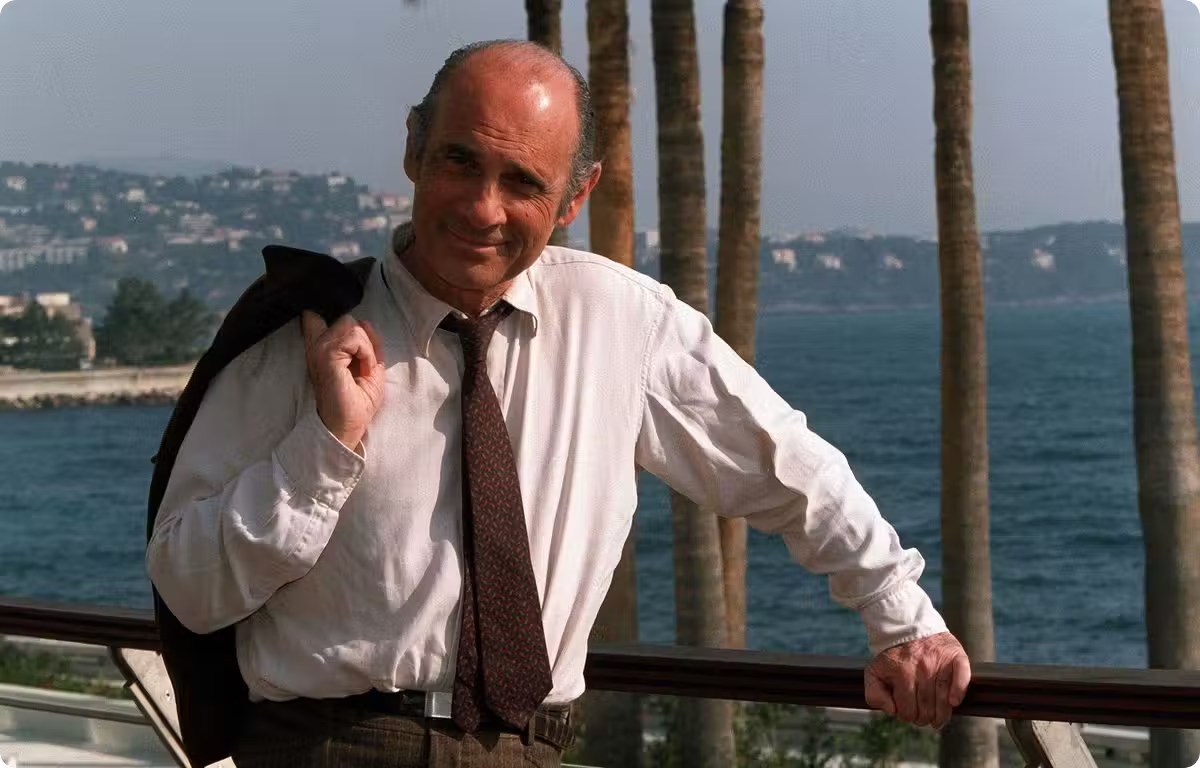
New revelations regarding the posthumous espionage activities of French actor Guy Marchand have surfaced, following the publication of the book La nouvelle armée des ombres by journalists from Intelligence Online. The work exposes how Marchand, best known for portraying detective Nestor Burma, served as an 'honorable correspondent' (HC) for the DGSE, France's external intelligence agency. Far from merely playing spies on screen, Marchand actively supported the agency's operations by providing logistical support, including hosting individuals at his private residence. [1]
The definition of an honorable correspondent, as outlined in official DGSE lexicons, describes an individual who consciously provides intelligence or clandestine support without financial compensation. Unlike paid agents, HCs are civilians outside the service structure. According to former DGSE officer Alain Rodier, these individuals are cost-effective assets because they require no salary. However, Olivier Mas, a former colonel turned author, notes that HCs can be reimbursed for operational expenses such as travel. Marchand's role primarily involved providing his home as a secure location for clandestine meetings, a function described by journalist Franck Renaud as making him 'one of the gears' of the DGSE. [1]
Marchand's suitability for such a role stemmed from his military background. He was a former paratrooper and briefly integrated into the Foreign Legion, giving him connections within the Service Action department of the DGSE. His recruitment likely occurred through acquaintances from his military days, consistent with standard intelligence practices that avoid unsolicited applications. Once vetted through environmental investigations, recruits are approached to serve their country, a motivation often cited as patriotism mixed with excitement. The system relies on a vast reserve of such civil servants, particularly in foreign posts where local French populations are tapped for support. [1]
The involvement of celebrities like Marchand highlights the strategic depth of French intelligence networks. These arrangements require strict discretion both during the individual's lifetime and after death. The revelations underscore how state resilience systems, traditionally stocked by ordinary citizens like butchers and notaries during the Cold War, are being re-evaluated in light of modern threats such as cyberattacks and political insurrections. Marchand, who died in December 2023 at age 86, thus leaves behind a hidden legacy as a contributor to national security infrastructure. [1]
- Categories:
- Security
- Entities: