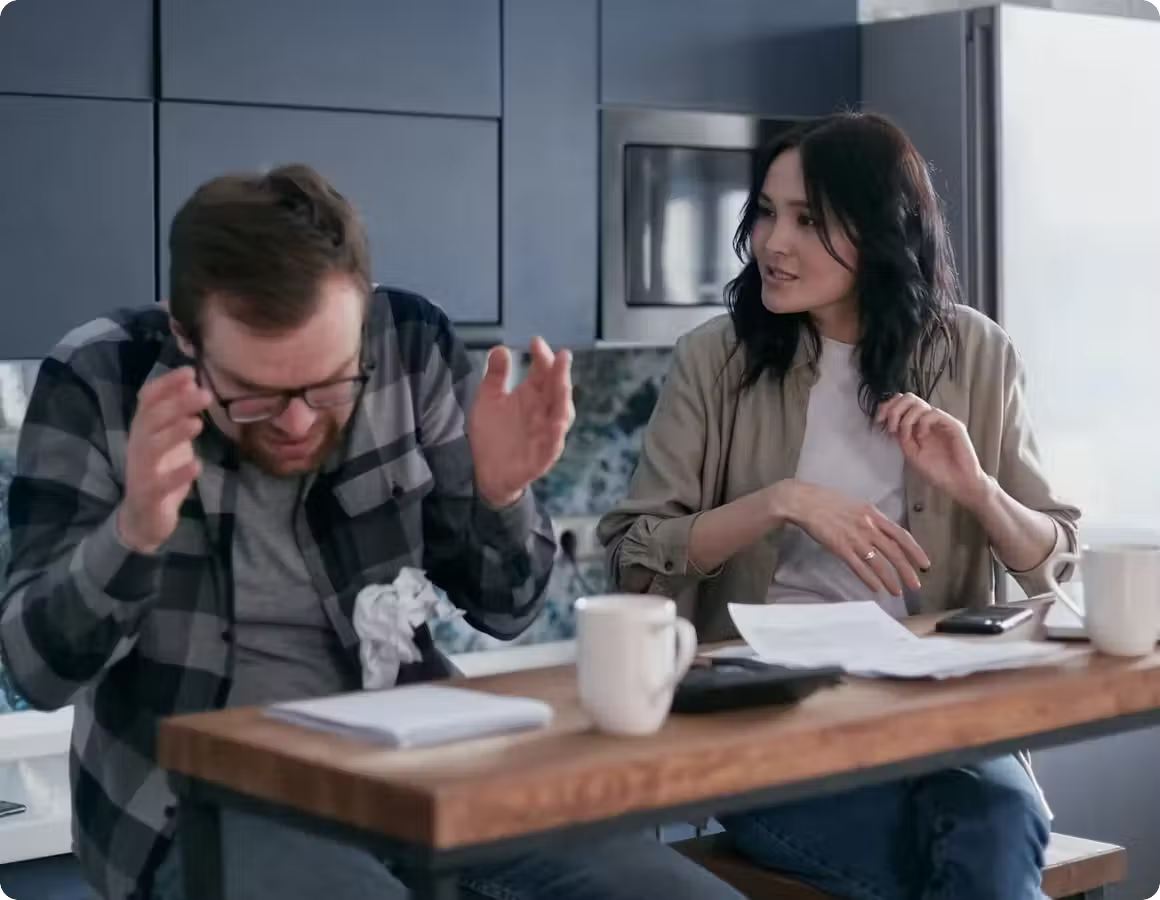
In a personal essay for The Good Men Project, the author recalls mistaking a partner's controlling behavior for affection and struggling to distinguish love from possessiveness. [1]
The illusion of love in these dynamics is rooted in the partner's need for validation; the controlling individual consumes the man's identity under the guise of caring so intensely that she cannot bear to let him go. [1]
The author describes confusing extreme jealousy with passion, interpreting a partner's monitoring and accusations as proof of romantic devotion, when it actually signals insecurity and a view of the partner as property. [1]
Control is frequently disguised as protection, with partners isolating the man from friends and dictating his lifestyle choices under the pretense of self-improvement, effectively erasing his autonomy. [1]
The relationship relies on intermittent reinforcement, where withdrawal of affection punishes the man for minor infractions, creating a cycle where he apologizes for things he did not do to regain temporary peace. [1]
Control is driven by the controller's internal terror rather than the man's behavior; no amount of compliance or proof of trustworthiness can satisfy an anxious attachment style that manages others instead of healing itself. [1]
Signs of a controlling dynamic include constant exhaustion, walking on eggshells, abandoning hobbies and social circles, and the psychological habit of editing reality to convince oneself the behavior is unique to an otherwise passionate partner. [1]
The author concludes that the partner loves compliance, not the man; breaking the illusion requires recognizing that the controlling behavior stems from fear and results in the gradual erasure of the man's self. [1]
- Categories:
- Relationships
- Entities: