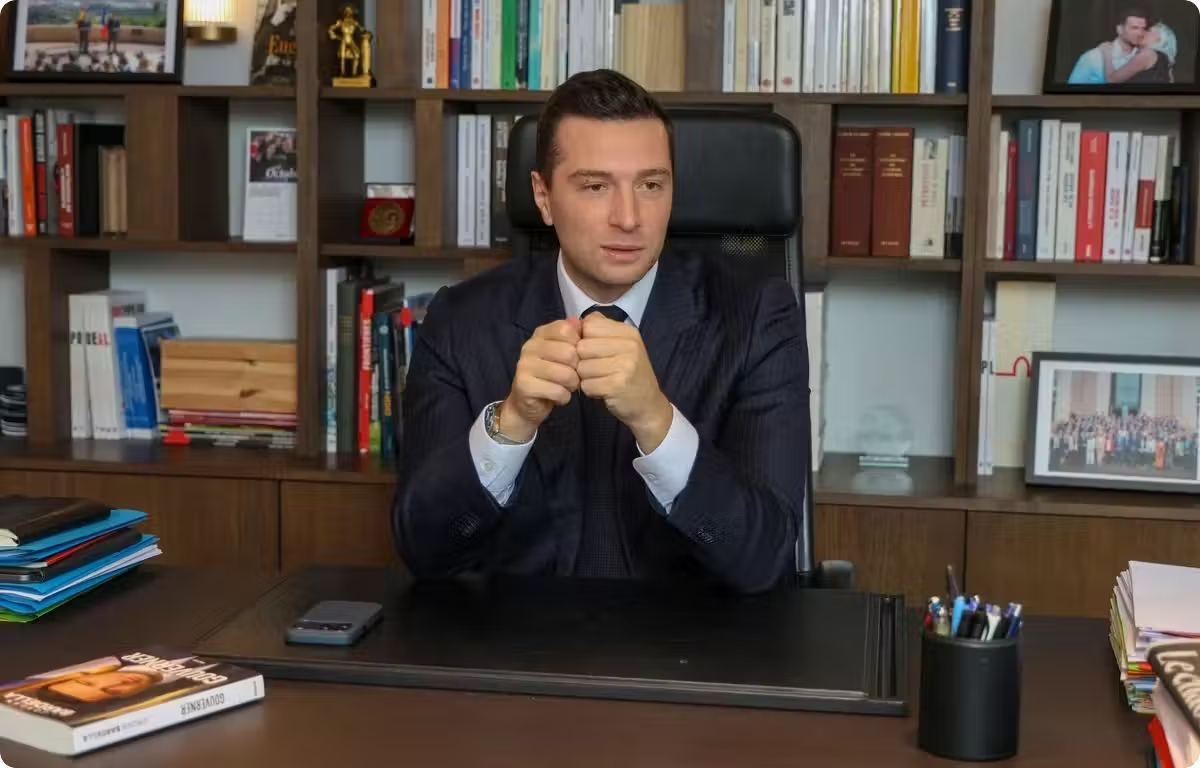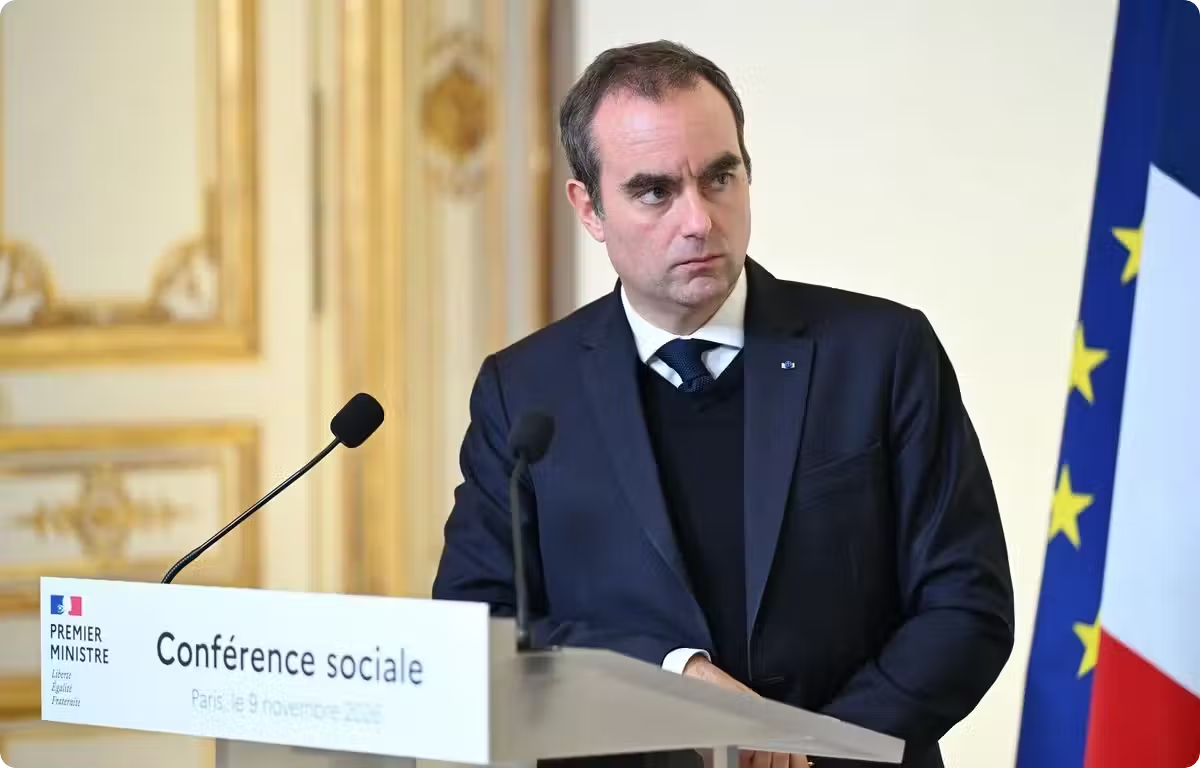
French politician Jean-Luc Mélenchon has proposed a system of self-declared sick leave for short-term illnesses as part of his program for the 2027 presidential election. The initiative would allow employees to declare their incapacity to work on their own honour, without requiring a medical certificate. Under Mélenchon’s proposal, these periods of absence would be fully covered by the French national health insurance (Assurance maladie). [1]
The measure, which had previously drawn criticism from employer associations fearing potential abuse, aims to reduce time spent searching for available doctors and minimize the spread of viruses in waiting rooms. While suggested in a 2024 report by the Court of Audit, the specifics of the French proposal remain distinct from existing international models. Across Europe, systems vary significantly regarding duration, compensation rates, and the entity responsible for payment. In the United Kingdom, since 1985, employees can self-declare short leaves of seven days or less. Since April, there is no waiting period, and statutory pay is set at £148 per week or 80% of weekly earnings, though many employers offer full salary. The Netherlands allows unlimited self-declared leave with a minimum legal pay of 70%, though occupational health doctors can assess fitness. Portugal permits up to three self-declared days annually with no pay, and the UK abolished its waiting period recently. [1]
- Categories:
- Politics