Aging women who have served as the de facto emergency line for their families often appear to be pulling away when they finally stop answering every call. This perception, however, masks a necessary step toward self-preservation rather than a rejection of loved ones. [1]
For decades, these women have absorbed the role of first responder. They know every sibling’s schedule, every grandchild’s allergy, and every unspoken cousin’s grudge. They are the ones fielding calls at 10 p.m. during marital crises and at 7 a.m. when essential items go missing, a responsibility they never volunteered for but assumed through repeated acquiescence. [1]
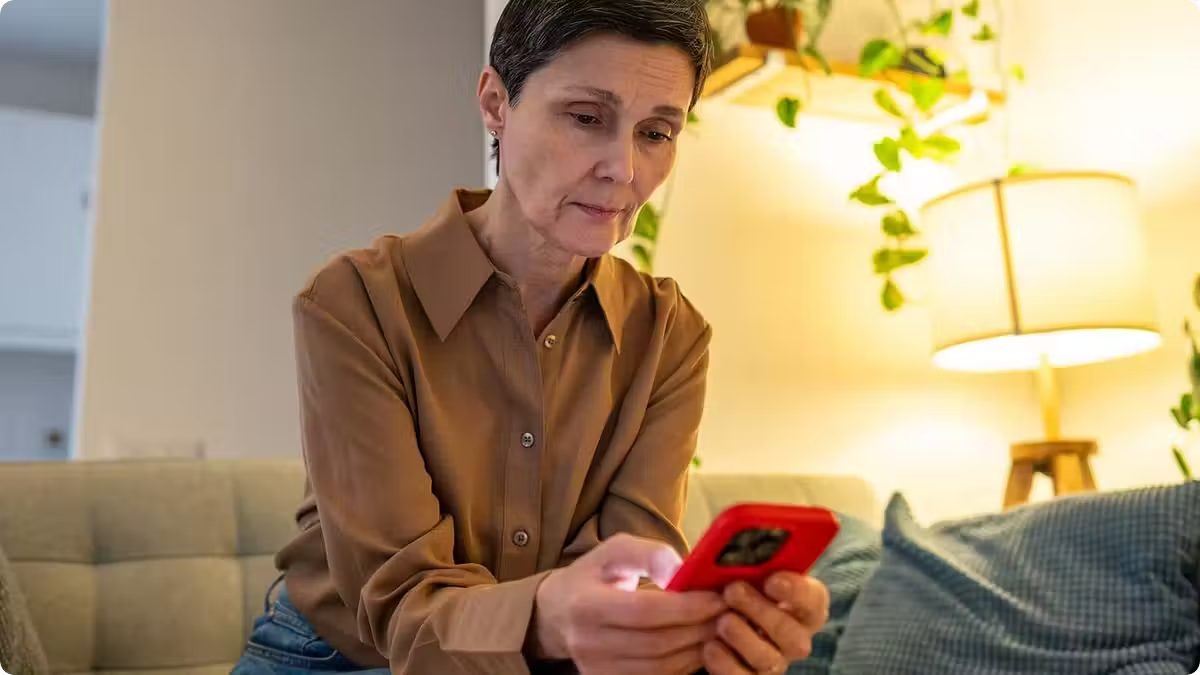
Now in their sixties or seventies, a shift occurs. When the phone rings, they pause, looking at it not with anticipation, but with the weariness of someone recognizing a task they have performed ten thousand times and questioning whether it remains their obligation. [1]
The family notices this withdrawal but lacks the vocabulary to interpret it correctly, labeling the newly established boundaries as ‘pulling away’ rather than recognizing it as a restoration of autonomy. [1]
This role did not begin with a single conversation but with a pattern that solidified long before the women had the language to define it. She was the daughter who sensed distress, the sister who made the necessary calls, and the friend who was always available due to an ingrained habit of saying yes. [1]
With each answered call, the role became more permanent, and the family’s expectations adjusted incrementally. Psychotherapist Tonya Lester describes how women absorb the belief that refusing help or demanding change reveals a personal flaw, making reluctance to say ‘no’ a trained reflex rather than passivity. [1]
Over decades, this reflex erodes boundaries, creating a standing invitation for every family member to contact her first because she always answers. The role carried no official title, only a reputation for handling issues without hesitation and a phone that rarely went to voicemail. [1]
Exhaustion accumulates in mundane moments: taking calls at 11 p.m. after a long day, managing crises that turn out to be minor scheduling errors, or engaging in check-ins that mask requests as questions. [1]
Therapist Megan Ashley Smith notes that emotional labor falls disproportionately on women, and the resulting burnout is not a personal failing but the predictable outcome of carrying unshared responsibility. The signs build quietly: persistent fatigue, inexplicable irritability, and a constant feeling of being on duty. [1]
Being permanently available drains more than energy; it slowly replaces identity with function. Women in this position stop registering their own preferences years ago, too busy scanning for others’ needs to consider what they want for dinner or how they feel. [1]
At some point, they become a service rather than a person within the family structure. Stopping this endless cycle is the hardest part of reclaiming selfhood, requiring the unlearning of childhood rules that equate self-care with selfishness. [1]
While Boomer mothers show quiet acts of holding on after children leave, aging women stepping back from family roles demonstrate the other side of that equation: the relief of laying down a burden that was never meant to be carried forever. [1]
- Categories:
- Medicine