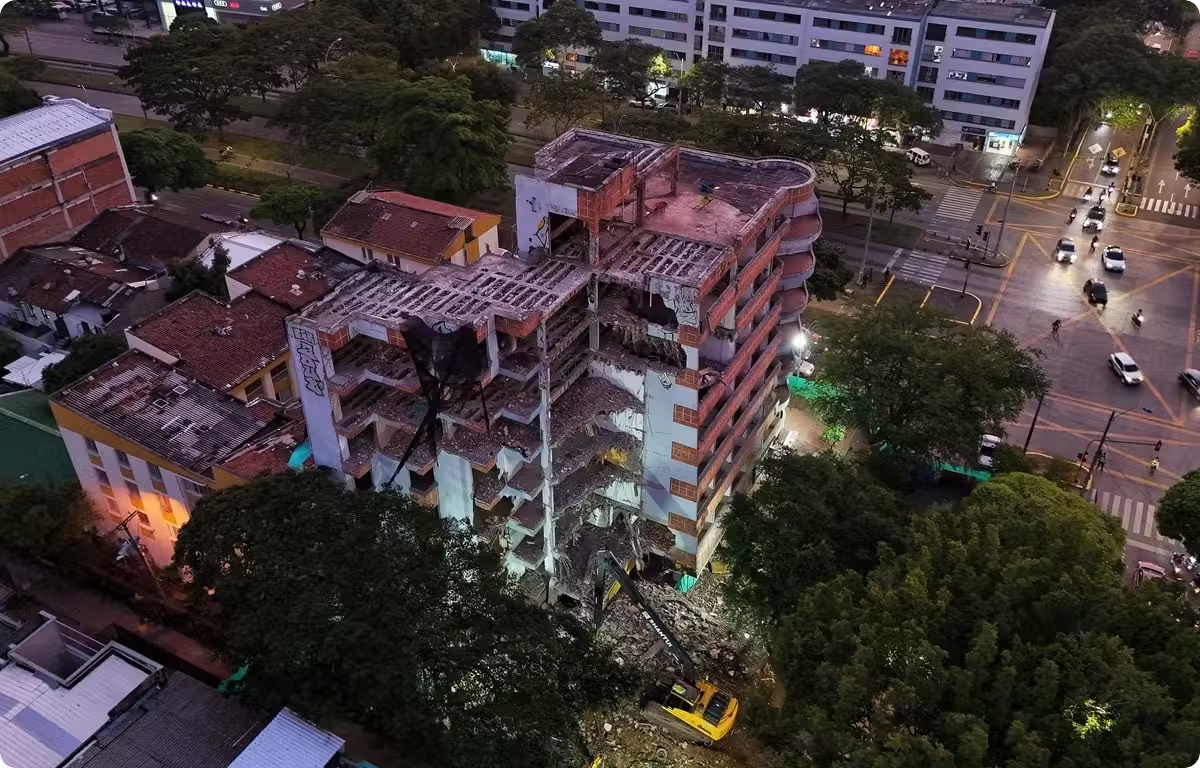
An explosive attack targeted the offices of RCN Radio and Television in Cali, western Colombia, on Wednesday, sending shockwaves through the nation’s media landscape and prompting an immediate and forceful response from the highest levels of government. The blast, which occurred without causing any injuries, resulted in significant material damage to the broadcasting center. President Abelardo de la Espriella confirmed the incident, describing it as a deliberate act designed to instill panic among the population and challenge state authority. [1]
In a stern message delivered via the social media platform X, President de la Espriella outlined the government’s rapid reaction to the crisis. He announced that he had ordered the full deployment of all capabilities within the Public Force and intelligence agencies. The primary objective of this mobilization is to identify, locate, and arrest those responsible for the bombing as quickly as possible. This direct order underscores the administration's intent to demonstrate zero tolerance for attacks on critical infrastructure and public safety. [1]
The incident in Cali was not isolated in scope, triggering a broader security alert across major broadcasting networks. Caracol, identified as the largest television channel in Colombia, evacuated its staff from its headquarters in Bogotá on Saturday evening following similar warnings issued by authorities. This parallel alert suggests a coordinated pattern of intimidation or a heightened threat level affecting multiple high-profile media entities in the country’s two most significant urban centers. [1]
The attack highlights the persistent and escalating danger faced by journalists and media organizations in Colombia, a nation grappling with six decades of armed conflict. Since taking office on August 7, President de la Espriella has pursued a hardline strategy aimed at dismantling guerrilla groups and narcotics trafficking networks. However, this intensified security posture exists within a complex environment where violence against the press remains a recurrent and severe threat. Journalists frequently endure threats, harassment, and kidnappings, creating an atmosphere of fear that complicates their ability to report freely. [1]
Historical precedents of such violence loom large over the current situation. During the 1980s and 1990s, the notorious drug lord Pablo Escobar orchestrated a campaign of terror that included the kidnapping and assassination of dozens of journalists who opposed his illicit operations. That era left a lasting scar on the country's journalistic integrity and safety record. According to the Foundation for Press Freedom, the toll has continued to rise in the decades since, with at least 171 media professionals assassinated between 1977 and the present day. [1]
As investigations into the RCN bombing commence, the international community and local human rights organizations continue to monitor the situation closely. The use of explosives against a media outlet represents a significant escalation in tactics, moving beyond verbal threats to physical destruction. The outcome of the ongoing investigation will likely influence future security protocols for media institutions across Colombia. Whether this attack serves as an isolated incident or signals a broader tactical shift by armed groups remains a critical question for policymakers and civil society advocates alike. [1]
- Categories:
- Media
- Entities: