The discussion opens with the observation that contemporary culture often treats love and freedom as opposing forces. With declining valuation of family, increased manipulation, and divorces motivated by material gain, many people see romantic commitment as a loss of autonomy. The analysis frames these attitudes as reflections of immature understanding rather than inherent contradictions.
It argues that being single is frequently equated with freedom, while marriage is portrayed as chains. According to the piece, such beliefs stem from limited experience with what genuine love involves, focusing instead on deception, betrayal, and control rather than care and support.
The author distinguishes between passion and infatuation, which typically last from one to six months, and deeper attachment. Passion is described as sexual attraction, while infatuation is the early-stage intensity. Both are natural but not equivalent to mature love.
Attachment is presented as often mistaken for love. When someone cannot function without a partner, feels alive only in their presence, or experiences distress during separation, it signals emotional dependence rather than healthy love. This dependence centers on the other's benefits and presence, not on willing action for their happiness.
True love, as defined here, combines passion, mild attachment, and a deliberate will to act for a partner's happiness. It is not impulsive but volitional: recognizing what the partner needs and choosing actions that bring them joy. Freedom, in turn, is not absence of obligations but responsibility for one's choices and their impact on others.
Responsibility enables freedom because it involves clarity about goals, actions needed to achieve them, and respect for others' pursuit of their own goals. This understanding creates space where both individuals can thrive without interference.
The piece contends that love and freedom support each other. Lack of love leads to demands, excessive neediness, and control, which restrict freedom. Conversely, when partners accept each other as they are, respect thoughts and desires, and invest time in the relationship, both love and freedom emerge.
Modern relationship behaviors are characterized as childish games that cause pain and resentment. The illusion that freedom exists only outside relationships is challenged: a single person may appear free externally but remain internally dependent, often seeking a partner to fill that void.
After a breakup, temporary relief may be felt, but the underlying need for connection persists, prompting renewed searches for a loving relationship. The text suggests that lasting happiness comes from learning to love properly, without chaining, demanding, or criticizing, and that freedom arises naturally from such love.
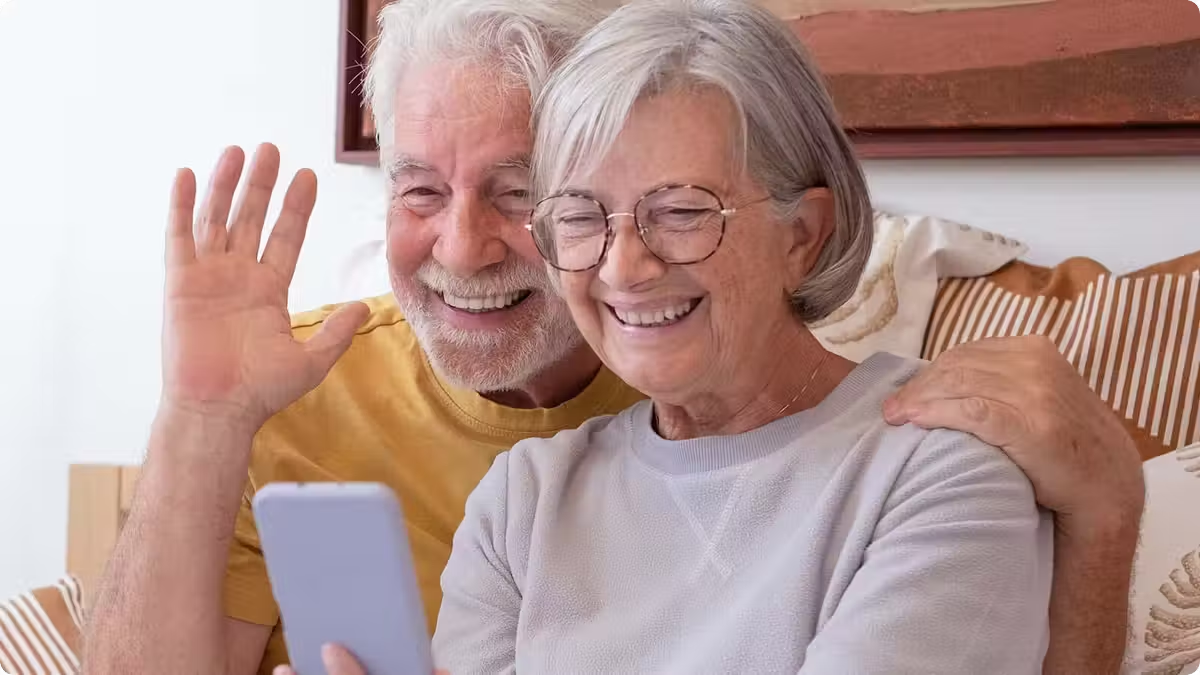
Ultimately, the argument concludes that a person can be free while being a family member. The key is finding a partner with whom one can be both free and happy, building a relationship based on mutual respect, shared effort, and conscious responsibility.
- Categories:
- International Relations
- Entities: