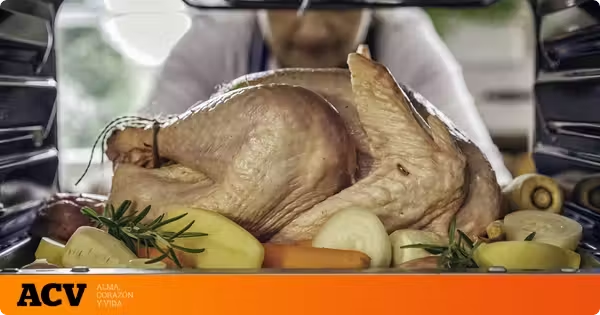
When using the oven, the position where you place the vegetable tray directly influences their texture and level of browning. Thierry Connault, executive chef at The Ritz-Carlton in New Orleans, explains to Southern Living the importance of choosing the right rack based on ingredients and desired texture. [1]
The middle rack is the standard recommendation for most vegetables; central positioning allows for even heat distribution, balanced baking, and visually appealing caramelization without risking excessive charring of the exterior. For vegetables that cook quickly, such as broccoli, cauliflower, Brussels sprouts, asparagus, and green beans, the upper rack can be a favorable option. Being farther from the bottom heat source and closer to the upper element allows for obtaining a crispy crust and quick browning, but requires careful monitoring as the exterior may burn before the interior is fully cooked. [1]
The lower rack is useful for dense vegetables that require extended time to soften, such as potatoes, sweet potatoes, carrots, parsnips, and beets. Intense heat from below favors browning of the base but increases the risk of the part of the vegetables touching the pan burning. Additionally, for high-water-content vegetables like mushrooms or cabbage, the bottom position can be effective, but must be monitored to prevent excessive browning. [1]
The size of the vegetable pieces also plays a crucial role. Large pieces benefit from the middle rack or the area just below it, allowing time for the interior to cook without frying the exterior too much. For small pieces, the upper rack is preferable because it accelerates the browning and crisping process. [1]
In fan-assisted ovens, the importance of rack position is mitigated by the even circulation of hot air. However, the chef suggests starting with the middle rack as a safe point. If adapting a recipe for a fan oven, the temperature can be reduced by approximately 14°C, and the baking time can be shortened. In traditional ovens without a fan, uneven heat distribution makes precise placement of the tray essential. [1]
For optimal results, vegetables should not be crowded in the tray, thereby avoiding steam formation which softens the texture. Dry vegetables well before baking and use a metal tray, not one made of glass, to promote superior browning. Preheating the oven to temperatures between 200°C and 230°C is recommended, and adding a thin layer of oil helps form a crust. Cut vegetables into similarly sized pieces for even baking and use the grill function for the last 1-3 minutes if additional browning is needed. [1]
In a recent post on TikTok, chef David Guibert highlighted the importance of the oven level for different foods. According to Guibert, for vegetables such as broccoli, cauliflower, Brussels sprouts, asparagus, and green beans, the upper rack can be a favorable option. Being farther from the bottom heat source and closer to the upper element allows for obtaining a crispy crust and quick browning, but requires careful monitoring as the exterior may carbonize before the interior is fully cooked. [1]
- Categories:
- Hospitality
- Entities: