In Romania, individuals lacking a complete insurance history can cover missing periods through retroactive payment of pension contributions. According to data from the National House of Public Pensions (CNPP), starting July 1, 2026, the estimated cost for purchasing one year of past service, calculated based on the minimum wage base, is 12,975 lei. This equates to a minimum monthly contribution of 1,081 lei, based on an insured monthly income of 4,325 lei, subject to a standard rate of 25%. [1]
Current legislation, particularly Law no. 360/2023, allows citizens to purchase a maximum of six years of past service prior to the month in which the voluntary insurance contract is signed. The periods need not be consecutive, and an individual may enter into multiple contracts, provided that the total number of months purchased does not exceed 72 months. The procedure is administered by the Territorial Pension House under whose jurisdiction the beneficiary is registered at their domicile or residence. [1]
There are clear restrictions on the periods that can be acquired. Periods already officially recognized, such as completed academic activity resulting in a bachelor's or university degree, as well as mandatory military service (if validated), cannot be repurchased. Furthermore, retroactive payment does not accelerate the official retirement age but rather fulfills the minimum contribution period condition (15 years) required for old-age pension eligibility. [1]
The contract for retroactive contribution payment can be signed physically or online, based on identification documents and a statement of truth under penalty of perjury. Payment of the total amount is optional in advance; the sum can also be paid monthly in installments, with a maximum deadline of one year from the date of signing the contract. If the amount is not fully paid within the legal timeframe, the CNPP will recognize only those periods for which the equivalent value has been actually transferred. [1]
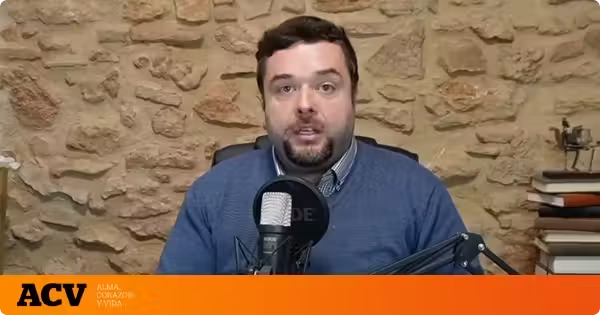
Spanish expert Ignacio Solsona warned that individuals who do not contribute to the social security system risk drastically reducing their pension, receiving only about 60% of the regulatory base. This risk is particularly relevant for those with few contribution years and is one of the reasons why long-term financial planning is essential to avoid poverty in old age. [1]
Solsona identified five legal ways in which individuals can continue contributing without having a formal employer. The first method is through unemployment benefits: individuals on unemployment leave continue to automatically contribute to the pension system, maintaining the contribution record active. A second specific option is the subsidy for individuals over the age of 52, which helps those nearing retirement age to continue accumulating the necessary years. [1]
The third route is the special agreement with the Spanish Social Security, which allows for voluntary contributions. Solsona recommends this option because, in a financial comparison, it is often more cost-effective to pay contributions to improve one’s future pension than to postpone retirement age. He gave a concrete example: a person lacking sufficient years could invest approximately 24,000 euros in contributions to avoid losing up to 56,000 euros in pension benefits had they deferred withdrawal. [1]
Source: El Confidencial [1]
A fourth method identified by Solsona refers to the recognition of specific periods as credited time, such as military service or days of childbirth (dias de parto). Additionally, for workers with an international career, it is possible to accumulate contributions from other countries with which Spain has bilateral agreements, preventing the loss of years worked abroad. [1]
Although the legislative context differs significantly between Romania and Spain, expert Solsona’s conclusion highlights a universal aspect in managing private pensions: an active and continuous contribution record is vital for sustainably extending life expectancy. Without a clear strategy for maintaining contributions, even through the aforementioned methods, the risk of receiving a pension amount below 60% of the regulatory base is real. [1]
In Romania, the procedure for purchasing past service periods is strictly regulated by the CNPP. Although alternative contribution solutions (such as unemployment benefits or special agreements mentioned in the Spanish report) may be partially analogous, the Romanian legal framework places major emphasis on the individual contract for retroactive voluntary insurance. The price for this act is fixed by the state at the level of the gross minimum salary, ensuring a transparent calculation basis for citizens. [1]
It is important to note that purchasing retroactive periods does not create a right to an early pension but merely strengthens the minimum 15-year contribution period necessary for access to the old-age pension. For those with only 14 years of contributions, this legal facility allows closing gaps to become eligible for retirement, but it does not shorten the interval until the legally mandated age. [1]
Information presented by Ignacio Solsona reflects a European scenario in which the flexibility of the social insurance system offers various mechanisms for continuing the contribution record. This comparative context emphasizes the importance of accurate citizen information regarding all available financial options at the national level to prevent financial shocks in old age. [1]
- Categories:
- Finance
- Entities: