An increasing number of consumers are abandoning traditional deodorant application limited to the axillary area, adopting a whole-body usage model known as 'whole body'. According to a study conducted by the international market research agency Mintel, 19% of respondents no longer limit deodorant application to their underarms, and this figure rises to 26% among those aged 18-35. This shift is not merely a fleeting fad but reflects a structural transformation in the body care category, where products are developing to deliver multiple simultaneous benefits. [2]
This evolution combines classic odor-neutralizing functionality with active ingredients specific to skincare. Modern formulas include elements that support cutaneous microbiota, nourish the skin barrier, hydrate, and reduce mechanical friction. Among the ingredients appreciated by experts are niacinamide, glycerin, panthenol, and allantoin, components that protect areas prone to irritation caused by friction. Additionally, products are formulated with natural emollients, waxes, botanical extracts, and refined fragrances, offering a balance between freshness and dermatological comfort. [2]
Applying the product to the entire body is justified by the need to combat odor and moisture in places where heat and friction favor the emergence of bacteria that generate unpleasant odors. Dermatologist Ilaria Proietti explains that these zones include the inframammary fold, the inner thigh, and the external inguinal region. Unlike conventional antiperspirants, which temporarily block perspiration (an essential mechanism for cooling the body), 'whole body' deodorants focus on controlling odor and maintaining a healthy cutaneous environment without stopping the natural elimination of water through the skin. [2]
The industry has responded to this demand by diversifying textures and formulations. Alongside classic stick, roll-on, or spray variants, a new category of deodorant serums has emerged; these are fluids with rapid absorption, often enriched with hyaluronic acid and small concentrations of alpha-hydroxy acids (such as lactic or mandelic acid) associated with aloe vera for calming effects. However, dermatologists caution regarding selectivity: a product suitable for underarms is not automatically indicated for more sensitive areas of the body, necessitating the avoidance of high alcohol concentrations, strong essential oils, or heavily perfumed formulas. [2]
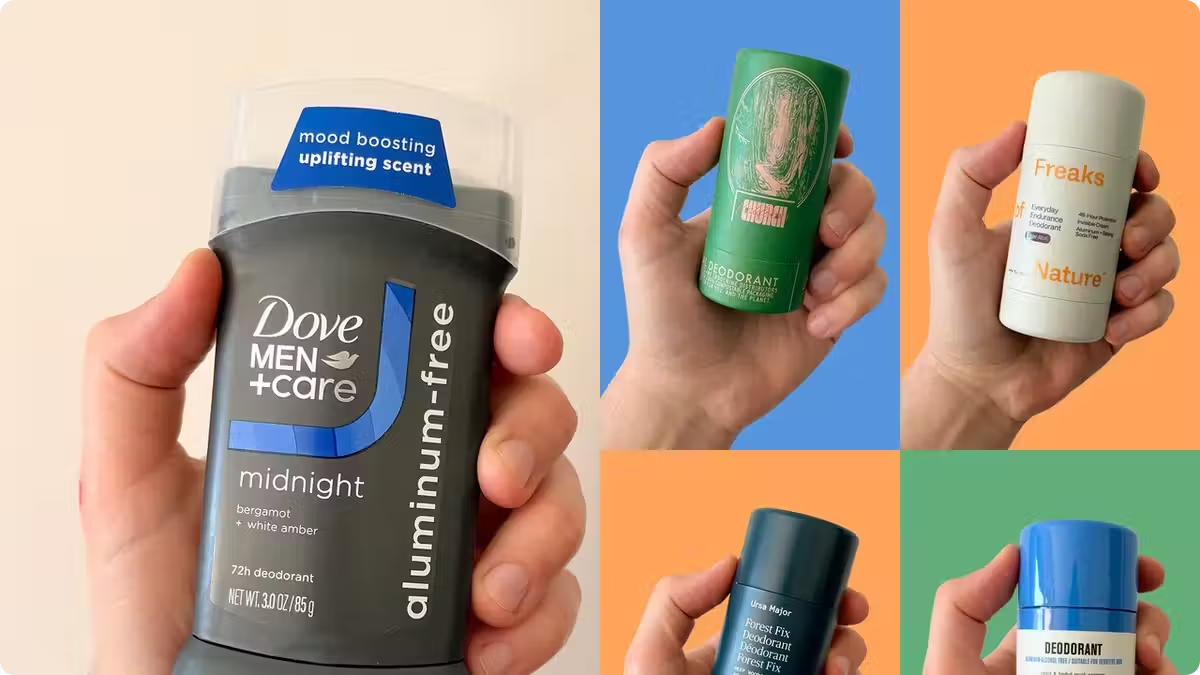
The market now offers options tailored to all preferences and skin types. Deodorant creams stand out for their rich consistency and utility in problematic areas difficult to access or with constant moisture (e.g., the knee cap crease, inguinal zone). Spray products are praised for their quick drying time and immediate sensation of freshness, while liquid roll-on forms allow precise and uniform application. Other stick options, for example, offer protection against friction, making them ideal for the inner thighs. The extensive list includes brands such as Dove, Dermafresh, L’Erbolario, Bioclin, Roc, Uriage, and others, each bringing specific ingredients, from cornstarch and ginseng to vitamin E and sweet almonds. [2]
- Categories:
- Fashion