In 2026, the landscape of men's fragrances has evolved beyond mere scent, with a great cologne now serving as a medium for storytelling and personal identity. Expert testing reveals that a stellar composition can significantly elevate a man's daily experience, regardless of whether the fragrance originates from a mainstream designer house, a luxury niche label, or an independent indie creator. While some men maintain a single signature scent for decades, current trends show a shift toward building diverse aromatic rotations tailored to specific moods, seasons, and settings, such as professional environments or date nights.
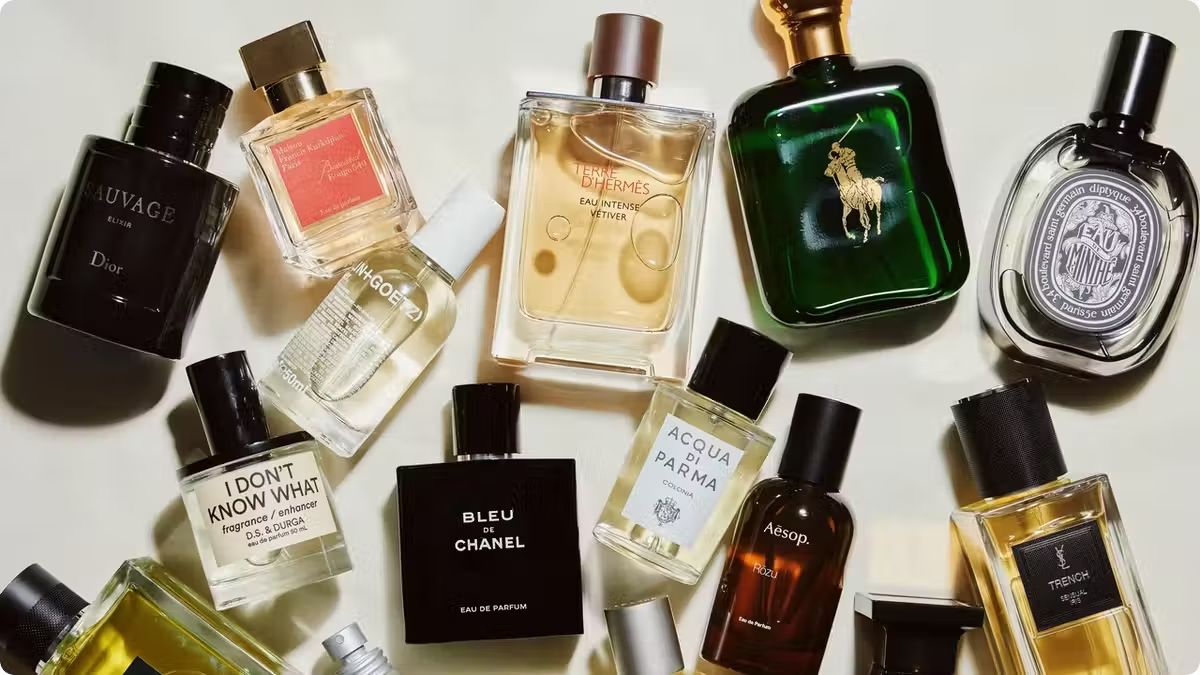
Among the top recommendations for various occasions, Chanel's Bleu de Chanel EDT stands out as a premier 'crowd-pleaser,' priced at $142. For nighttime settings, Yves Saint Laurent's Trench Le Vestiaire Eau De Parfum ($330) is highlighted for its sleek and slightly dangerous allure. Seasonal preferences include Diptyque's Eau de Minthé EDP ($260) for summer, known for its cooling mint and patchouli blend, and Tom Ford's Tobacco Vanille EDP ($195) for winter, which redefined tobacco scents as chic and decadent by pairing them with vanilla, ginger, and cocoa.
The guide also identifies specialized scents for specific needs. D.S. & Durga's 'I Don't Know What' EDP ($225) is categorized as a leading 'skin scent'—a subtle enhancer utilizing Iso E Super for a velvety texture. For the professional environment, Acqua di Parma's Colonia EDC ($165) is recommended as an ideal office fragrance due to its polished, classic Italian citrus and herbal profile. Other notable mentions include the earthy and Zen-like Le Labo Thé Matcha 26, and the animalic gourmand Musc Ravageur, released in 2000, which remains a benchmark for spiced musk fragrances.
Indie and niche offerings provide distinct alternatives to mainstream luxury. Malin+Goetz's Leather EDP is praised as a spring-ready 'daily driver' that blends leather with pepper, clove, and floral notes of lily and orchid. Similarly, the London-based Perfumer H offers 'Ink,' a woody floral composition inspired by dimly lit libraries, incorporating papyrus and incense. For those seeking botanical depth, Aesop's Rōzu Eau de Parfum provides a nuanced, rose-forward aromatic experience balanced with sandalwood and vetiver.
Timeless classics continue to hold significant cultural weight. Polo Ralph Lauren, a staple since 1978, remains highly recognizable for its woody aromatic structure featuring juniper berries, pine, and leather. Similarly, Guerlain's vetiver classic, debuted in 1950, is cited as a benchmark for fresh, verdant scents. Dior's Sauvage line remains a dominant force in modern culture, with the Elixir version being singled out for its refined, spicier profile containing nutmeg, cinnamon, and licorice.
Understanding the technical aspects of fragrance is essential for consumers to set expectations regarding longevity and cost. The industry categorizes scents primarily by their perfume oil concentration: Eau Fraiche (1-3%) and Eau de Cologne (3-5%) are the lightest and shortest-lasting. Eau de Toilette (EDT) typically contains 5-8% oil and is suitable for those wanting a scent to last through the midday. Eau de Parfum (EDP) ranges from 8-15%, offering more strength, while Parfum or Extrait de Parfum contains the highest concentrations, ranging from 15% up to 40% in some pure oils.
Fragrance experts suggest that those starting a collection begin simply with two bottles: one clean and versatile for daily use and one with more 'edge' for evening events. From there, collectors can expand by season or specific occasion. Modern perfumery has become increasingly open, encouraging individuals to embrace unconventional notes like smoky oud or animalic leather to fit their personal 'aura' rather than following a predetermined algorithm.
- Categories:
- Fashion
- Entities: