The Dutch national museum, the Rijksmuseum, has commissioned a complete overhaul of its service and security staff uniforms, moving away from traditional institutional wear toward a curated fashion statement. The initiative places the creative direction in the hands of Claes Iversen, a prominent Dutch fashion designer of Danish origin who has established himself as one of the country's most influential stylists. The project reflects a broader cultural shift in how public institutions view their frontline personnel, treating them not merely as functional employees but as visible ambassadors of the nation’s artistic heritage. [1]
Iversen is widely recognized in the Netherlands for his high-profile collaborations and his role as a preferred designer for Queen Máxima. His work is characterized by a blend of contemporary elegance and practicality, qualities that have made him a staple in the wardrobe of the Dutch royal family. The selection of Iversen for the Rijksmuseum project underscores the institution's desire to align its operational attire with the same level of sophistication found in royal wardrobes. The aim is to create clothing that is not only visually appealing but also respectful of the wearer's need for comfort and mobility during long shifts. [1]
The design process began with extensive consultation. Unlike typical corporate procurement processes where uniforms are selected from catalogs based on cost and durability, Iversen engaged directly with the employees. He conducted interviews to understand their daily challenges, physical requirements, and personal preferences. 'From the first conversations, their experiences were central,' Iversen explained. 'I wanted to design clothes in which people feel comfortable, can be themselves, and at the same time are clearly visible as part of one organization.' This human-centered approach ensures that the final product is functional, addressing issues such as fabric breathability, ease of movement, and pocket placement, while maintaining a cohesive aesthetic identity. [1]
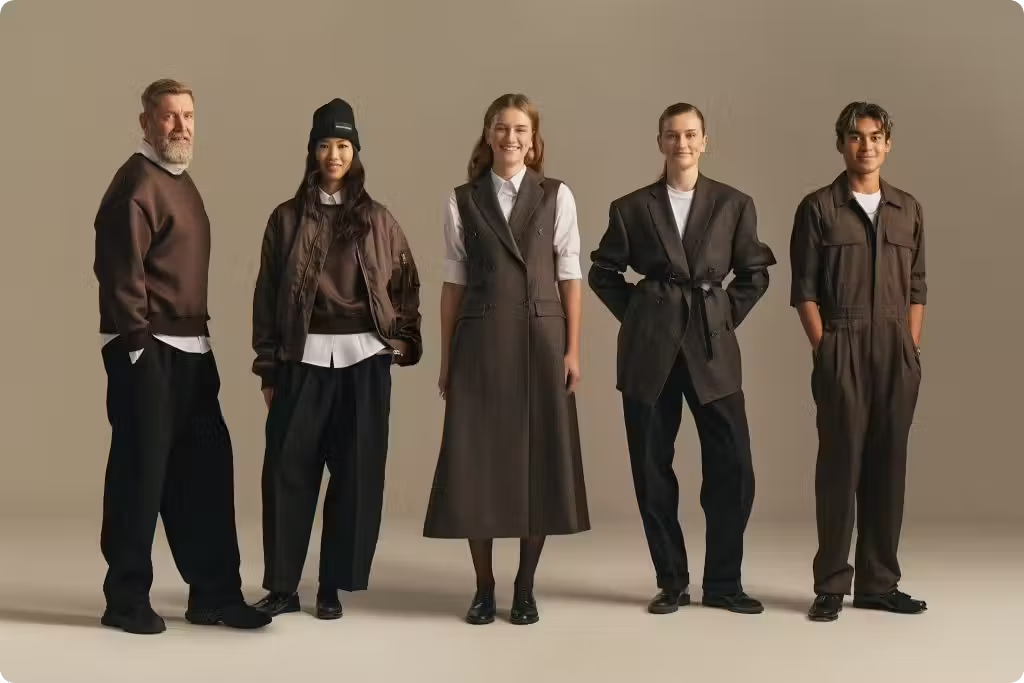
The resulting collection consists of twelve distinct garments and five accessories, all designed to be mixed and matched. The color palette is anchored by brown, a deliberate choice inspired by the dark, rich tones frequently used in 17th-century Dutch painting. This historical reference serves a dual purpose: it grounds the uniform in the museum's own heritage and creates a visual harmony between the staff and the art they protect. The brown tones range from deep espresso to lighter tawny shades, allowing for depth and variety within the standardized look. [1]
Inclusivity and fit are critical components of the collection. The uniforms are available in sizes ranging from 32 to 52, ensuring that the design accommodates a wide spectrum of body types among the workforce. This attention to fit is essential for a uniform that will be worn for extended periods. The materials and construction quality reflect Iversen's reputation for producing durable yet refined clothing, capable of withstanding the rigors of daily use in a high-traffic public space. [1]
Employees of the Service & Security department, comprising approximately 300 individuals, have begun collecting their custom-fitted uniforms. The rollout allows for personal adjustments, ensuring that each piece fits the individual wearer perfectly. The new attire is scheduled to be in full use starting in January 2027, marking the official debut of the new look in the museum's halls. By transforming the appearance of its guards and service staff, the Rijksmuseum hopes to enhance the visitor experience, presenting a unified and polished image that complements the grandeur of the museum itself. [1]
- Categories:
- Fashion
- Entities: