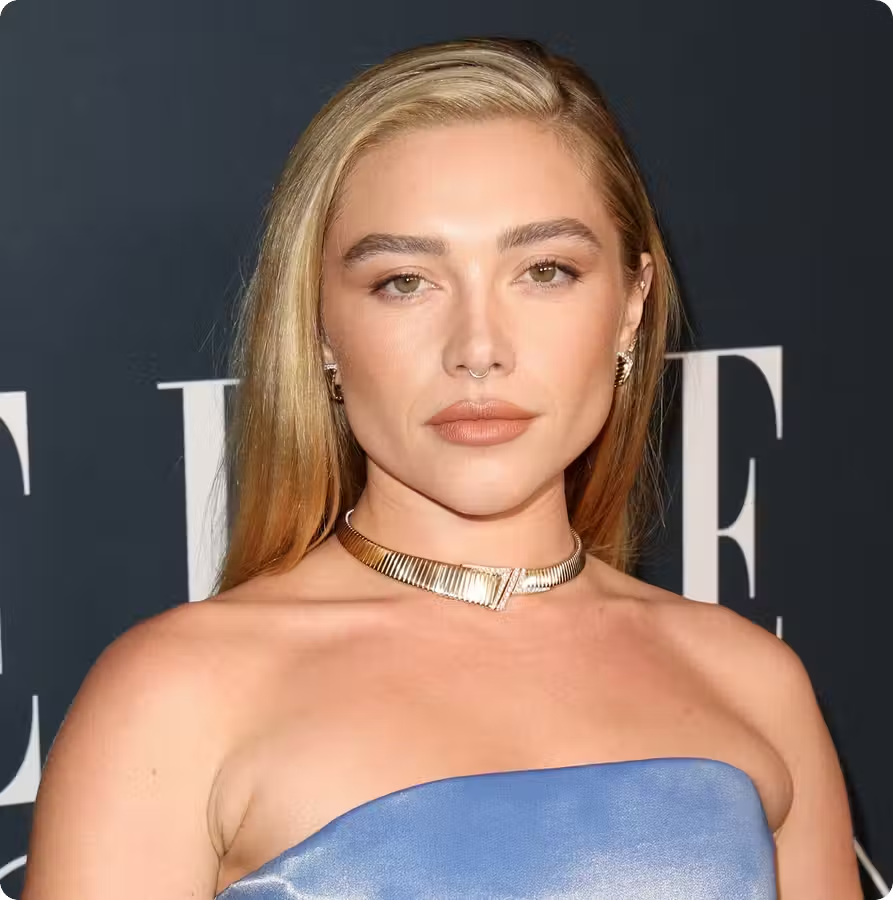
An opinion piece published on 17 November 2026 argues that Hollywood's current aesthetic preferences are reframing naturally round facial features as problems to be corrected, using recent internet chatter about Florence Pugh as a jumping-off point. The author notes that Pugh's softer, rounder cheeks once stood out in an industry now fixated on sharp cheekbones, hollow cheeks and sculpted jawlines, and observes that newer photographs have prompted online speculation about a change in her appearance. No claim is made that any procedure has occurred; the author stresses that faces change with age, weight, makeup and other factors. [1]
The piece frames the conversation within a longer history of mutable ideals. It recalls Renaissance depictions that celebrated soft stomachs, rounded faces and full figures as signs of vitality and abundance, while acknowledging those images reflected their own cultural norms rather than a universal appreciation of bodies. The author contrasts that with later periods in which women were judged by appearance and points to shifts in fashion: the 1990s preference for an exceptionally thin silhouette, the 2010s emphasis on exaggerated curves, full lips and prominent hips, and a present-day return of interest in thinness and angularity. [1]
Current trends cited include buccal fat removal and an extreme pursuit of thinness in the industry. The author argues that the most exhausting element of modern beauty culture is its promise of arrival paired with a constantly moving destination, noting that a woman who once desired fuller cheeks may now wish for hollow ones and that beauty can seem to relocate just as individuals approach it. [1]
Drawing on Naomi Wolf's 1990 book The Beauty Myth, the commentary suggests beauty standards function as social pressure, prescribing behavior rather than merely describing appearance. The author writes that almost every perceived imperfection now has a product, procedure or treatment, turning ordinary signs of being alive into opportunities for correction. Dissatisfaction is presented as a valuable commodity because convincing someone she is not beautiful without a purchase creates a cultivable need rather than a passing desire. [1]
The analysis contends that markets reward consumption-driving insecurity without requiring a secret pact between surgeons, fashion houses and beauty brands. Over time, a standard can feel natural even though it began as a trend, leading women who do not resemble it to question themselves. The author insists nothing is inherently wrong with those women, but that affirming that fact offers little commercial upside. [1]
Individuality is described as being eroded when beauty is treated as a formula. A face is presented as an expression of history, ancestry, age and character, with differences such as round cheeks, prominent noses, hooded eyes or broad jaws contributing to character. The author argues that social media complicates this by exposing people to digitally adjusted, professionally styled or cosmetically altered faces, often without clear labeling, prompting comparisons between ordinary reflections and highly produced images. [1]
The piece closes with a call for a broader understanding of beauty as varied rather than a set of fashionable proportions. It advocates for a cultural shift in which women can age without feeling devalued and distinctive features are appreciated instead of treated as flaws. [1]
- Categories:
- Environment