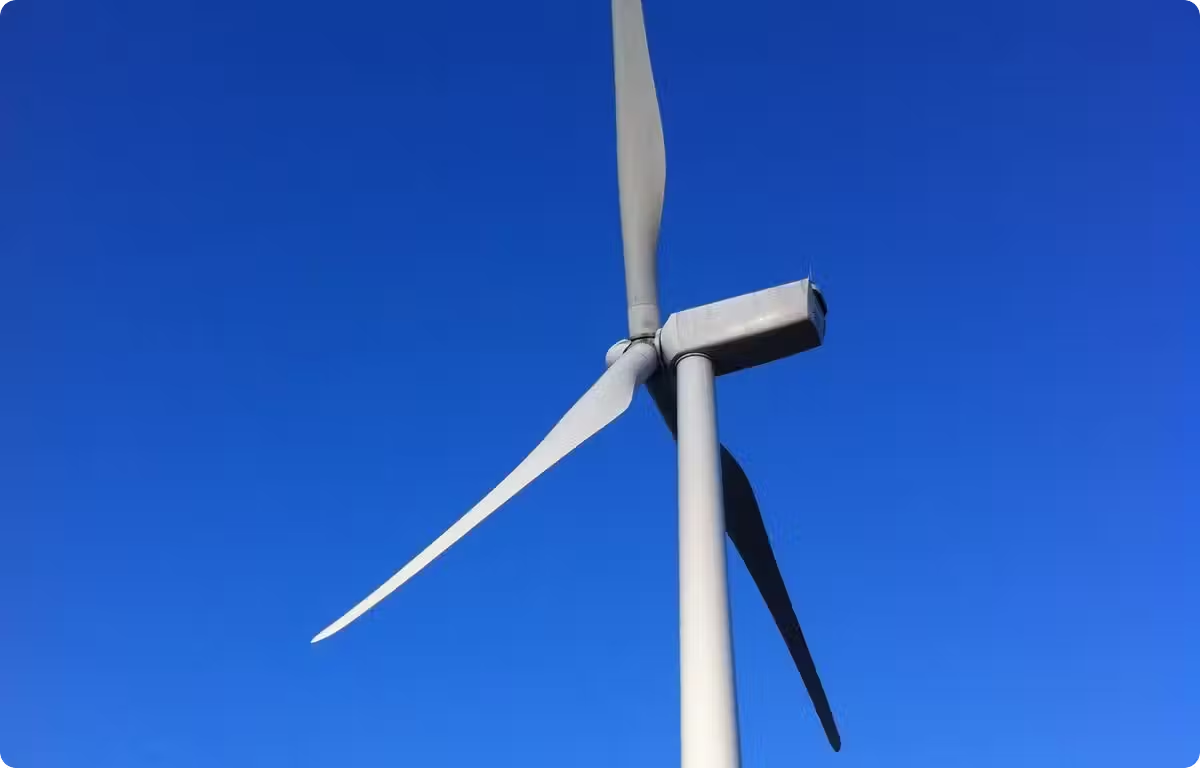
The French company Néolien, based in the Isère department, has launched an innovative initiative to combat the environmental impact of decommissioned wind turbine blades. By repurposing these complex composite materials, the startup is creating durable urban furniture, recently marked by the inauguration of France's first outdoor ping-pong tables made from recycled blades in October in Mantes-la-Jolie, Yvelines. These specific tables were crafted from blades that previously operated in the Tarn region 20 Minutes.
The project addresses a growing waste crisis in the renewable energy sector. According to Julien Kressmann, co-founder of Néolien, wind turbine blades are designed for constant rotation and undergo significant fatigue cycles over time, typically requiring replacement after approximately 20 years of service. Because landfilling these components is prohibited in France and across Europe, the industry standard has predominantly been to shred and incinerate them 20 Minutes.
The urgency of finding sustainable alternatives is increasing as the first major wave of French wind farms, established in the early 2000s, reaches the end of its operational life. Kressmann estimates that by 2030, approximately 1,000 or more blades per year will need to be dismantled and replaced across France 20 Minutes. Driven by a desire to move away from the 'extractivist logic' of raw materials, Néolien has spent three years developing a reuse model that preserves the inherent properties of the material.
Technically, the process involves recovering the blades at the base of the masts, cutting them on-site, and transporting the sections to workshops in Saint-Marcellin. There, a design office determines how to reshape the material. For the ping-pong tables, the team utilized the flat sections of two blades, which can range from 30 to 50 meters in length. Rather than melting the materials—which would be energy-intensive and complex—Néolien cuts, glues, and reshapes them 20 Minutes.
The durability of the resulting furniture is a key selling point. While the blades lose their dynamic structural properties needed for rotation, they retain their static robustness. The composite material, a blend of thermosetting resin and glass or carbon fibers, ensures that the repurposed objects can last between 20 to 40 years without significant degradation 20 Minutes.
Beyond ping-pong tables, Néolien is expanding its product line to include bike shelters, benches, and picnic tables. Following the success in Yvelines, the company expects to deliver six large bike shelters with 12-meter components to a project in Nouvelle-Aquitaine by the end of the year. The company also services private organizations and wind farm operators who are actively seeking valuation solutions for their waste blades 20 Minutes.
From a commercial perspective, Kressmann notes that the cost of these recycled products is competitive; for instance, a recycled picnic table is priced similarly to an equivalent concrete table, at approximately 1,000 euros. With a team of about 20 people—including 15 dedicated to production—Néolien aims to industrialize its processes and establish itself as one of France's leading leaders in blade reuse by 2027 20 Minutes.
- Categories:
- Environment
- Entities: