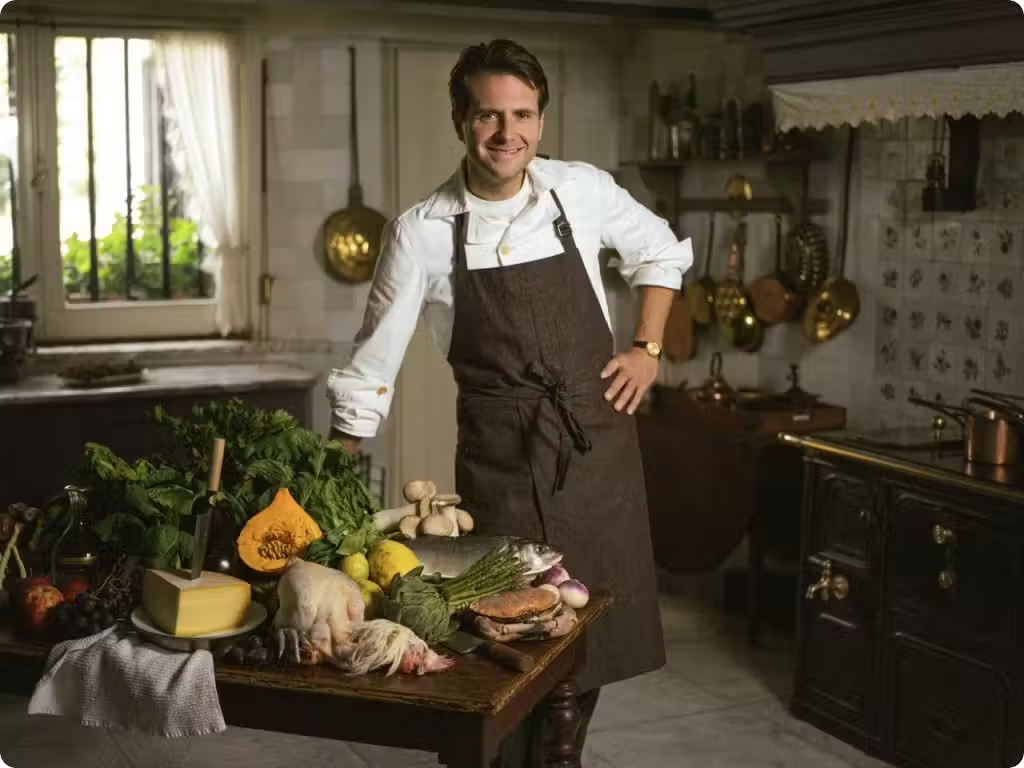
Tobias Camman, a well-known Dutch chef and television personality recognized for his work on the FOMO Show and author of five previous cookbooks, has released his latest book, *Bravoer*. This publication highlights his continued influence in the culinary world, where he specializes in accessible, comforting, yet technically sound recipes that bridge the gap between home cooking and professional standards. The new release includes a specific recipe for 'gnocchi made from old bread,' positioning stale loaves not as waste, but as the primary ingredient for a sophisticated dough. This concept challenges the conventional use of flour-based dumplings, offering a texture that Camman describes as being derived from bread crumbs rather than starch. [1]
According to Camman, bread loses its value as a slice of sandwich after three days on the counter. He notes that eating day-old bread straight off the shelf can be difficult due to its dryness, requiring excessive liquid to swallow. However, this stale texture is precisely what allows the bread to absorb liquids effectively when processed into gnocchi dough, providing a foundation that is far superior to fresh bread. While many home cooks transform leftover bread into croutons or pangrattato (fried breadcrumbs), Camman advocates for gnocchi as a versatile alternative. He explains that substituting flour with bread yields a unique texture and a deep, savory flavor profile. The recipe is highly adaptable; the bread-based gnocchi serves as a neutral base that pairs well with mushroom and Comté cheese combinations or any preferred sauce, much like a buttered slice of toast but with elevated culinary complexity. [1]
The preparation begins with boiling potatoes in their skins for approximately thirty minutes until thoroughly cooked. The potatoes are then removed from the pot and allowed to cool completely. Keeping the skins on during boiling helps retain moisture and prevents the potatoes from becoming waterlogged before mashing. [1]
While the potatoes cool, the stale bread is prepared. The oven is preheated to 120 degrees Celsius, and the leftover bread is placed inside for about twenty minutes. The objective is to dry the bread out further without turning it into brittle crackers. The timing is flexible: if the bread is more than three days old, the drying time may be shorter; for fresh bread, it may need slightly longer to achieve the ideal dryness. Once the bread has cooled for ten minutes, it is transferred to a blender and processed into coarse breadcrumb-like pieces. Camman advises against grinding the bread too finely; retaining small chunks the size of lentils adds desirable textural variation to the final gnocchi. This coarse structure is crucial for the dough's consistency. [1]
After peeling the cooled potatoes, they are mashed finely using a fork or a potato masher. The mashed potatoes are combined in a large bowl with the coarse breadcrumbs, buttermilk, and an egg. These ingredients form the base of the dough, relying on the protein from the egg and the acidity of the buttermilk to bind the mixture together. The dough is gently kneaded by hand using fingertips until it forms a cohesive ball. Emphasis is placed on not over-kneading the mixture; keeping the processing short ensures the potatoes remain fluffy rather than becoming gluey or tough. Once formed, the dough is wrapped in plastic wrap and refrigerated for thirty minutes. This resting period allows the flavors to meld and the dough to firm up, making it easier to handle. [1]
During the resting phase, the dough is divided into two portions. Each portion is rolled on a lightly floured surface into a rope approximately two to three centimeters thick. These ropes are then cut into small, pillow-shaped pieces, also two to three centimeters in length, ready for boiling. A large pot of water seasoned with ample salt is brought to a boil. The gnocchi are dropped into the water, and the cook must stay attentive with a slotted spoon. As soon as the gnocchi float to the surface, they are counted to twenty seconds and immediately removed. Prolonged boiling causes them to disintegrate and become mushy, so precise timing is essential. [1]
For finishing, a frying pan is heated with oil over medium heat. The drained gnocchi are added to the hot pan, where they initially stick but will naturally release once a crust forms. Camman warns against stirring or scraping prematurely, as this breaks the dumplings and creates a messy result. After about four minutes, when the gnocchi release easily, they are flipped to crisp the other side. The entire process takes roughly ten minutes to achieve a golden, crunchy exterior. The crispy gnocchi are transferred to a plate, and the pan is wiped clean with kitchen paper. Butter is melted in the same pan, followed by sprigs of thyme and mushrooms, which are sautéed for three to five minutes until they begin to take color. The gnocchi are returned to the pan and tossed gently with the mushrooms. The dish is finished with salt, pepper, shavings of Comté cheese, and garnishes such as watercress or parsley, serving as a hearty yet refined meal utilizing previously discarded ingredients. [1]
- Categories:
- Entertainment
- Entities: