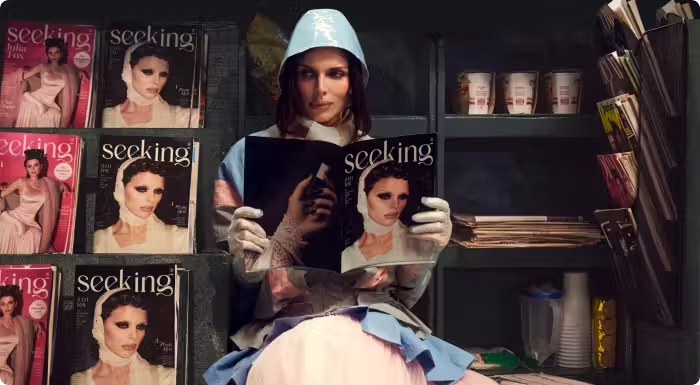
Dating platform Seeking has launched the 'Anti 50/50 Campaign,' designed to challenge the growing normalization of splitting bills on first dates. The company frames the shift away from traditional courtship norms—where one person pays—as a decline in generosity and effort. The campaign acknowledges the discomfort many singles feel when asked to split costs, validating the sentiment that such requests disrupt the romantic dynamic of initial meetings. To enforce its stance, Seeking established a $50,000 reimbursement fund, offering up to $50 per person to singles who have been unexpectedly asked to go dutch. This financial incentive underscores the company's position that traditional generosity should be preserved. [1]
Public discourse increasingly debates the etiquette of dating expenses. While previous eras expected one party to cover costs, modern mindsets challenge these 'old-school' practices, reflecting evolving social norms. Seeking interprets these shifts not merely as progress but as a reduction in romantic effort. The platform argues that the insistence on equal splitting diminishes the gesture of courtship. Internal surveys reveal a generational divide: 61% of Gen Z women report being asked to split the bill on a first date, a rate more than double that of Boomer women (27%). This statistic highlights how quickly the norm has shifted. Seeking’s user data aligns with traditional preferences: 92% of male users prefer to pay on the first date, while 67% of female users stated they would deny a second date if the bill was not covered by their partner. [1]
The campaign offers a solution by directing singles to a platform that emphasizes generosity. Seeking aims to reduce frustration with modern dating expectations by fostering an environment where traditional courtship roles are maintained. Actress and social media personality Julia Fox has joined the campaign as a prominent voice. Her involvement brings attention to the pressure women face in navigating dating expectations and justifying their preferences. Fox’s message reinforces the company's core stance: women should not have to apologize for expecting generosity. The campaign frames the refusal to pay as a symbol of low effort, contrasting it with genuine romantic interest. [1]
“I’ve been on Seeking, my friends have been on Seeking, and I think we need to get over the idea that women should have to justify what they want out of dating,” Fox said. “I’m all for women being independent, but that doesn’t mean we have to entertain low-effort men who think splitting a check is the height of romance. If you’re going to court somebody, COURT THEM. That’s why the Anti 50/50 Fund is so important. Seeking is about being clear on what matters to you in a relationship.” Participants claiming reimbursement must create a Seeking account, detail their date experience, and upload a receipt proving they were asked to split the bill. The process is designed to verify claims and distribute funds. An exclusive merchandise collection accompanies the campaign, with all profits directed back into the $50,000 fund. This dual approach combines awareness-raising with direct financial support. [1]
Dana Rosewell, co-CEO of Seeking, stated, “We’re giving women their money back while encouraging men to lead with generosity.” She argued that the cultural narrative equating bill-splitting with empowerment actually normalizes stinginess rather than independence. Brandon Wade, founder and co-CEO, added, “People love to say money doesn’t matter in dating, but the people saying that usually aren’t the ones paying the price.” He emphasized that while love is priceless, the logistics of dating require investment and that users should be unapologetic about valuing generosity. The reimbursement fund will remain open until February 10, 2027, or until the $50,000 budget is exhausted, whichever comes first. This extended timeline ensures widespread access for eligible participants. [1]
- Categories:
- Entertainment
- Entities: