The arrival of November in the Netherlands signals a dual transition: one celebrated with communal joy and commercial excitement, the other scrutinized through the lens of personal history and familial dynamics. This week's editions of *Linda*, a prominent Dutch lifestyle and newspaper platform, highlight this contrast by pairing a lighthearted promotion of a seasonal food trend with a poignant, reflective column on the emotional complexities of the holiday season for those outside traditional structures.
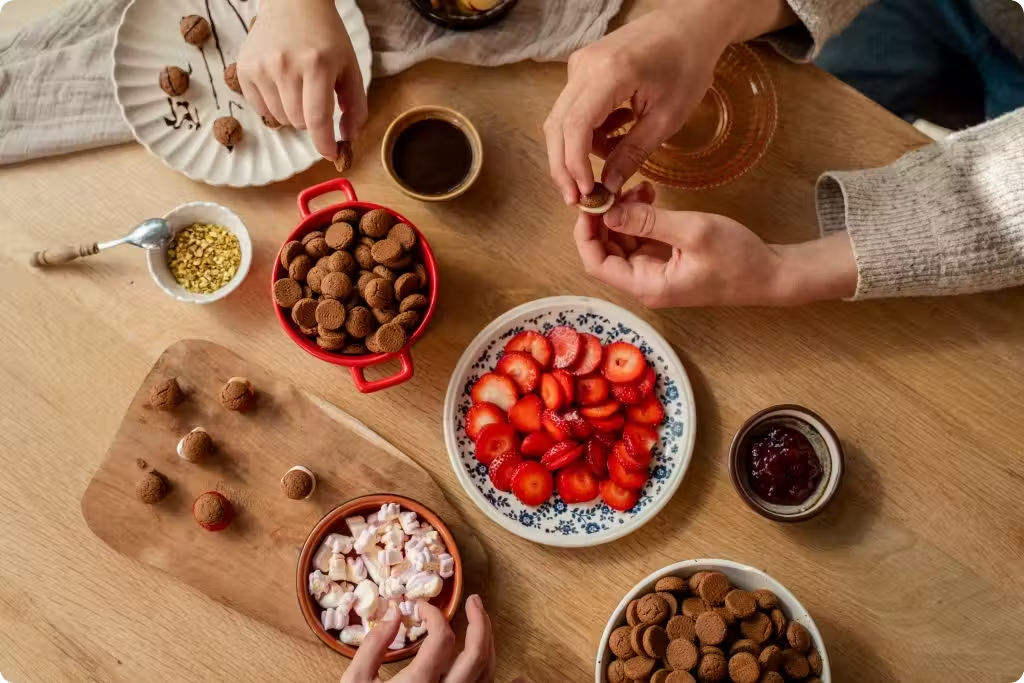
On the side of celebration, the beloved spice cookie, known locally as the *kruidnoot*, remains a cornerstone of the Dutch autumn and winter calendar. These small, hard biscuits, flavored with cloves, cinnamon, and other spices, are ubiquitous in supermarkets and bakery cases from mid-November onward. They are traditionally eaten by the handful or given as small gifts. In a move that blends nostalgia with modern snacking trends, the Dutch bakery brand Bolletje has introduced what it calls the 'Kruidnootburger 2.0.'
The concept is simple yet provocative: two kruidnoten sandwiched around various fillings to create a mini-burger. Drawing on the earlier popularity of the kruidnoot-based dessert trends, this iteration encourages consumers to experiment with flavors. Suggestions range from sweet combinations like pistachio cream, peanut butter with banana, and a cheesecake-style creation featuring cream cheese and cherry jam, to more savory or complex profiles. The campaign positions the kruidnootburger not just as a snack, but as a social activity—a centerpiece for family gatherings, friend group hangouts, or holiday parties where guests can assemble their own creations. The promotion actively invites participation through social media, urging users to share their specific flavor combinations using the hashtag #BolletjeKruidnootburger, thereby extending the physical product into the digital sphere of user-generated content.
While the food industry leverages the warmth and togetherness associated with the kruidnoot, *Linda* columnist Dilan Yurdakul offers a starkly different perspective on the same festive period. In a personal essay titled 'When I First Had a Relationship, Christmas Was a Reason to Break Up,' Yurdakul explores the emotional toll that holiday traditions can take on individuals whose childhood experiences were marked by tension rather than comfort. Her narrative serves as a counterpoint to the commercial idealization of the holidays, providing a space for readers who may feel alienated by the pervasive demand for familial harmony.
Yurdakul’s reflection begins with her childhood, where she observed her classmates sharing warm memories of Sinterklaas, while her own household adhered to a different rhythm. Without the tradition of drawing lots for gifts (lootjes trekken), the visit of Sinterklaas held no particular significance for her family. Instead, her memories of Christmas are dominated by the ornamentation of the tree—a activity fraught with control. Her mother deemed golden ornaments ugly, creating an unspoken rule about aesthetics that the narrator only broke years later, decorating her own first home’s tree entirely in gold balls, a symbolic act of reclaiming artistic freedom, albeit followed immediately by an argument with her partner over the choice.
The core of Yurdakul’s essay focuses on the dinner table. She describes Christmas meals not as occasions of relaxation, but as events characterized by high stakes and lingering stress. Her mother’s constant refrain—that the food was served within minutes despite hours of cooking—revealed an underlying resentment and exhaustion. The meals were accompanied by tension, forcing participants to swallow not only the gourmet dishes but also their silence. This atmosphere of 'false togetherness' extended into New Year’s Eve, which offered little relief. For Yurdakul, the first time she entered a serious relationship, the convergence of these festivity-induced pressures became unsustainable. The suffocating nature of family dynamics and the pain of playing a role that felt inauthentic led to a breakdown in the car, culminating in a breakup. The holidays had stripped away the facade, revealing incompatibilities and emotional burdens that could no longer be ignored.
Years later, after experiencing a holiday spent waiting for a partner who did not show up, Yurdakul found herself alone. Yet, rather than feeling sorrow, she recognized the value of solitude. Her essay argues that holidays reveal hidden sides of partners and families, exposing dynamics that might otherwise remain concealed. For some, this revelation is painful; for others, it is liberating. As a single person in her third year, Yurdakul responds vaguely to questions about her holiday plans because she has not yet settled into a rigid routine. She anticipates being invited to various gatherings, but she also finds comfort in the possibility of doing nothing. Her conclusion offers a nuanced view of the season: sometimes, Christmas is lonelier together than it is alone. This sentiment resonates with a growing segment of the population that values independence and quiet introspection over obligatory social performance during the peak of the festive season.
These two pieces from *Linda*, appearing in close succession, capture the multifaceted nature of contemporary Dutch life. One represents the communal joy and creative consumption that defines the public face of the season, embodied by the playful innovation of the kruidnootburger. The other gives voice to the private, often unspoken struggles with family heritage and emotional boundaries. Together, they illustrate that the season is not a monolith of happiness but a complex backdrop against which diverse human experiences unfold. Whether assembling a stack of spice cookies with friends or finding peace in a quiet room without golden ornaments, the Dutch festive period continues to be a time of significant cultural and personal negotiation.
- Categories:
- Entertainment