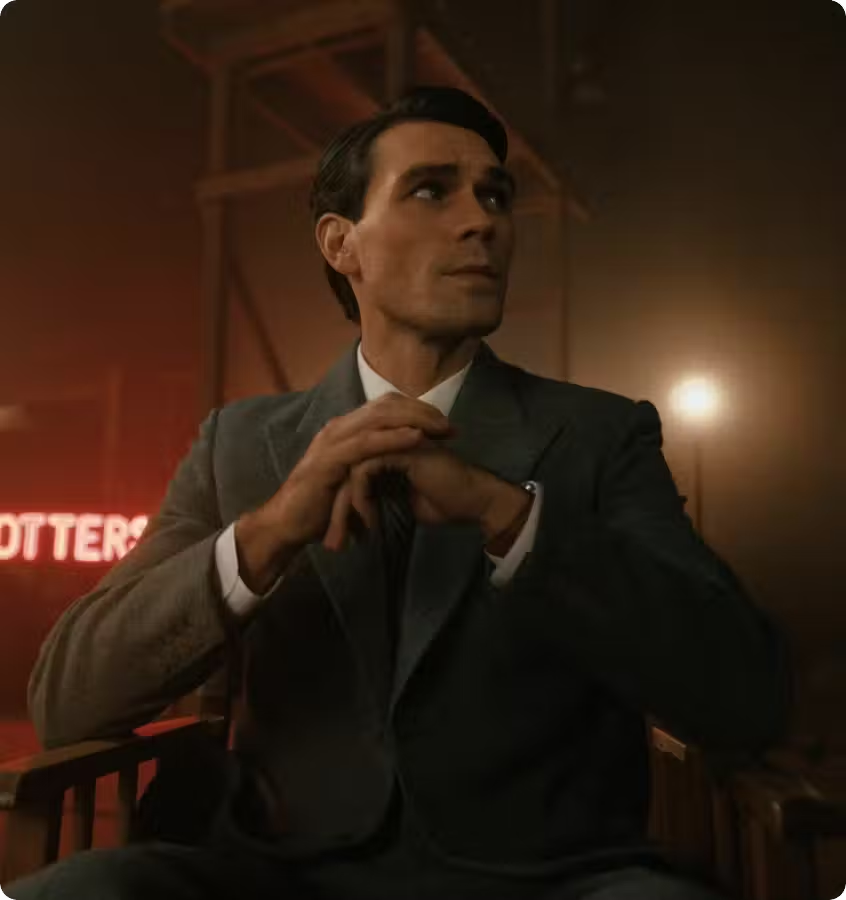
'The Biopic', directed by Aaron Burns, was recently released in U.S. theaters ahead of Veterans Day and the 80th anniversary of the classic film 'Life Is Wonderful'. The movie traces the journey of actor Jimmy Stewart, who, despite already being a famous figure in Hollywood, gave up fame and fortune to serve his country as a bombardier during World War II. The film examines the impact of wartime trauma on Stewart and how it influenced his interpretation of his last memorable roles. [1]
The lead role was played by KJ Apa, previously known for the TV series 'Riverdale', who underwent a radical transformation under the director's guidance. Apa trained intensely with a speech and diction specialist, studying the film 'Mr. Smith Goes to Washington' countless times to master Stewart’s gestures, posture, and distinctive manner of speaking. Director Aaron Burns stated that this effort allowed Apa to shed his previous persona and embody the Hollywood legend in a manner deemed faithful and impressive. [1]
The narrative focuses on the psychological trauma Stewart suffered upon returning home. Although MGM studio wished to exploit his wartime experience for profit, the actor refused, believing the American public needed hope rather than reminders of war’s horrors. During this period of identity and emotional crisis, director Frank Capra offered him the role of protagonist George Bailey in the film that would become a cinematic monument, 'Life Is Wonderful'. [1]
A central sequence of the biography depicts the recording of George Bailey’s final prayer. KJ Apa captures the authenticity of the moment, where the actor’s real struggles, linked to war-related nightmares, intersect with the character’s despair. Stewart later acknowledged the sincerity of this endeavor, stating that he did not plan the tears but felt them as an release of the loneliness and hope of needy people. This authenticity endowed the film with profound emotional resonance. [1]
The biopic also received approval from Stewart’s daughter, Kelly Stewart-Harcourt, who provided the director with excerpts from her father’s personal diaries, offering a factual basis for reconstructing the past. The film emphasizes that although Stewart suffered tragic losses afterward, including the death of his adopted son in the Vietnam War, he continued to promote faith, honor, and responsibility toward the community. Critics such as Janet Maslin saw in 'Jimmy' a vital message of resilience in a society marked by pessimism. [1]
- Categories:
- Entertainment
- Entities: