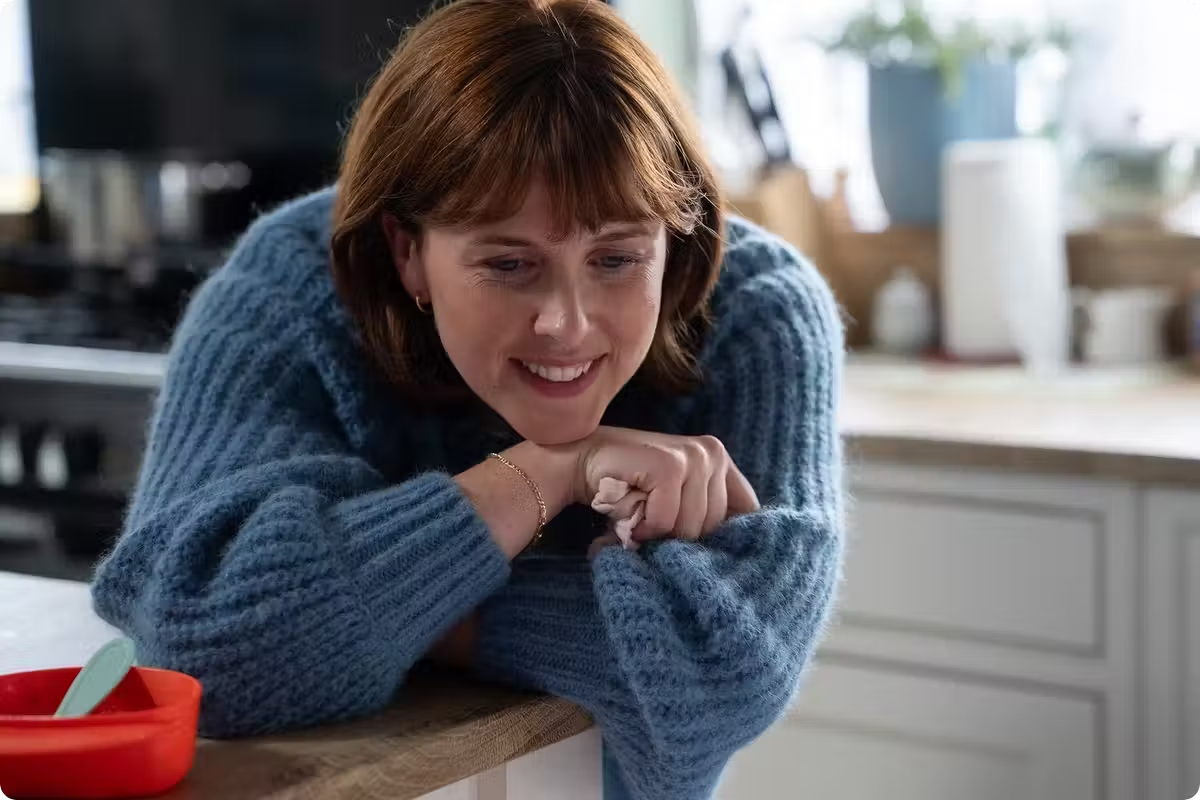
The psychological thriller series 'Hunting Alice Bell', now available on Channel 4, tells the story of Fran Da Silva, a woman who lives a quiet life, working at a local swimming pool and conducting occasional interviews. Her peaceful existence is suddenly shattered when a true crime podcast falsely accuses her of being 'Alice Bell', the former girlfriend of serial killer Jason Nash, who had been previously imprisoned. [1]
The series, created by David Baddiel and Peter Bradshaw, explores the theme of a digital and community-driven 'witch-hunt'. The main character is surrounded by other women similar to her, all wrongly accused, creating an atmosphere of collective tension. The narrative focuses on how Fran tries to regain control of her life while the local community, stirred up by social media, attacks her. [1]
Actress Alexandra Roach, who plays Fran, explains her fascination with the series, describing it as realistic and 'terrifying'. Roach emphasizes the deep-seated fear derived from the premise that such events can strike anyone, due to everyone's vulnerability in the face of the media and the internet. She highlighted the significance of this underlying theme, noting that things do not disappear once they enter the public sphere, leaving victims wondering how the crisis will be resolved. [1]
Roach discussed the social and emotional costs women pay to find their voice and challenge the patriarchal system. Through her character, who is punished for giving an interview deemed innocuous, the series highlights dissatisfaction with the way society treats women who make themselves publicly visible. Roach characterized the moment when Fran screams at a crowd already predisposed to judgment as one that many women can relate to, given the feeling of being ignored or shouting into a void when the truth is irrelevant. [1]
Roach firmly rejects the idea that a man could have been subjected to the same witch-hunts in the scenario depicted in the series. Although Jason Nash committed the real crimes, public fury and the greatest hatred are directed at Alice Bell, who covered up the acts. Roach argues that, in the world of fiction, gender plays an essential role in the distribution of blame, with women most often bearing the brunt of moral persecution. [1]
Beyond the dramatic themes, Roach appreciated the rarity and practical importance of an exclusively female cast on set. Alongside colleagues such as Amanda Abbington, Emily Barber, Toni O’Rourke, and Christina Bennington, she experienced a intense dynamic of mutual support. This environment allowed for deep collaboration, the actresses' personal engagement with the exposed themes, and an atmosphere of protection and creative play, which Roach described as fundamental to the artistic and emotional process of filming. [1]
- Categories:
- Entertainment
- Entities: