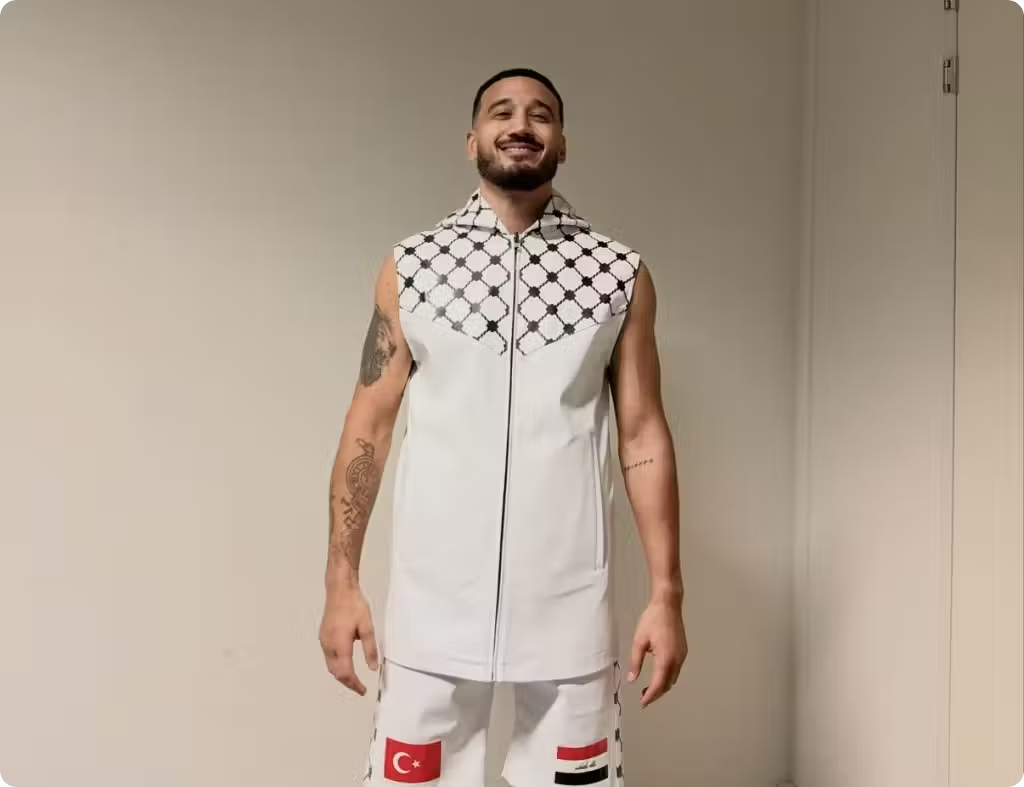
Nesim el Ahmadi has raised concerns about discrimination within the cast of the Dutch reality television show *Boxing Stars*, claiming that white participants receive disproportionate media attention compared to those of non-white backgrounds. According to the reality competition, where celebrities and influencers engage in boxing matches, el Ahmadi argues that the focus remains heavily skewed towards white contestants. [1]
Despite winning his match on the show, el Ahmadi expressed dissatisfaction with how he was portrayed outside the ring. He criticized the coverage for ignoring his victory and instead focusing almost exclusively on other white participants, such as Donny Roelvink and Jaimie Vaes. [1]
Speaking directly to the camera and addressing RTL Boulevard and Shownieuws, el Ahmadi emphasized that his complaint extended beyond personal grievance, stating, 'We have to fight hard. We also want to be on posters. We also want to be in the trailers.' He highlighted the lack of visibility for participants with diverse backgrounds. [1]
El Ahmadi later clarified that while he might not have chosen the right words due to emotion, his feeling of being treated unfairly by the media over the past weeks remained valid. His comments sparked discussions about representation in Dutch television, echoing similar criticisms from other public figures who claim they face barriers due to their skin color or background. [1]
The issue reflects broader industry trends noted by influencers and actors. Television presenter Défano Holwijn has previously suggested that his skin color hinders his chances of hosting a talk show, arguing that media executives in Hilversum are more cautious about making mistakes with black hosts. Actor Sahil Amar Aïssa has similarly pointed out the limited roles often offered to Moroccan-Dutch and Caribbean-Dutch actors, which tend to be stereotypical. [1]
In response to criticism, some viewers and commentators argued that the disparity in attention was simply due to popularity rather than race. One user on social media remarked that el Ahmadi was not as well-known as other participants like Donny Roelvink, suggesting he should accept this reality rather than adopting a victim role. [1]
The debate highlights ongoing tensions regarding diversity and representation in Dutch entertainment. Critics argue that showing only familiar faces perpetuates exclusion, while others maintain that audience recognition drives programming choices. El Ahmadi’s intervention brought these contrasting viewpoints into the public sphere. [1]
As the show continues to air, the conversation around fairness and media treatment of its participants persists. El Ahmadi’s stance serves as a catalyst for broader discussions about how talent is selected, promoted, and featured on national television. [1]
The incident underscores the challenges faced by minority talents in a predominantly white media landscape. While some view the issue as a matter of marketing strategy, others see it as a systemic problem requiring structural change within the industry. [1]
El Ahmadi’s experience is part of a larger pattern cited by many artists and presenters who feel overlooked despite their qualifications and performance. This sentiment has gained traction across various sectors of the Dutch entertainment world. [1]
Defano Holwijn's remarks about his inability to secure a talk show due to his race resonate with el Ahmadi's complaints. Both cases illustrate perceived biases in hiring and promotion decisions within the media industry. [1]
Holwijn specifically mentioned that fear of making errors with black hosts leads to missed opportunities. This cautious approach, he suggests, maintains a status quo dominated by older white men in key decision-making roles. [1]
Actor Sahil Amar Aïssa has also been vocal about typecasting. He described his early career hopes for deeper roles versus the recurring offers for stereotypical parts like thieves or dealers, noting the growing frustration among peers who see white colleagues receiving more varied and substantial opportunities. [1]
Aïssa eventually took matters into his own hands by producing the series *Mocros* to create more meaningful content for actors of color. His story mirrors el Ahmadi’s push for better representation, highlighting creative solutions to systemic barriers. [1]
The collective voices of el Ahmadi, Holwijn, and Aïssa contribute to an ongoing dialogue about equality in Dutch media. Their experiences provide concrete examples of the obstacles minority talents face, urging the industry to reflect on its practices and commitments to inclusivity. [1]
- Categories:
- Entertainment
- Entities: