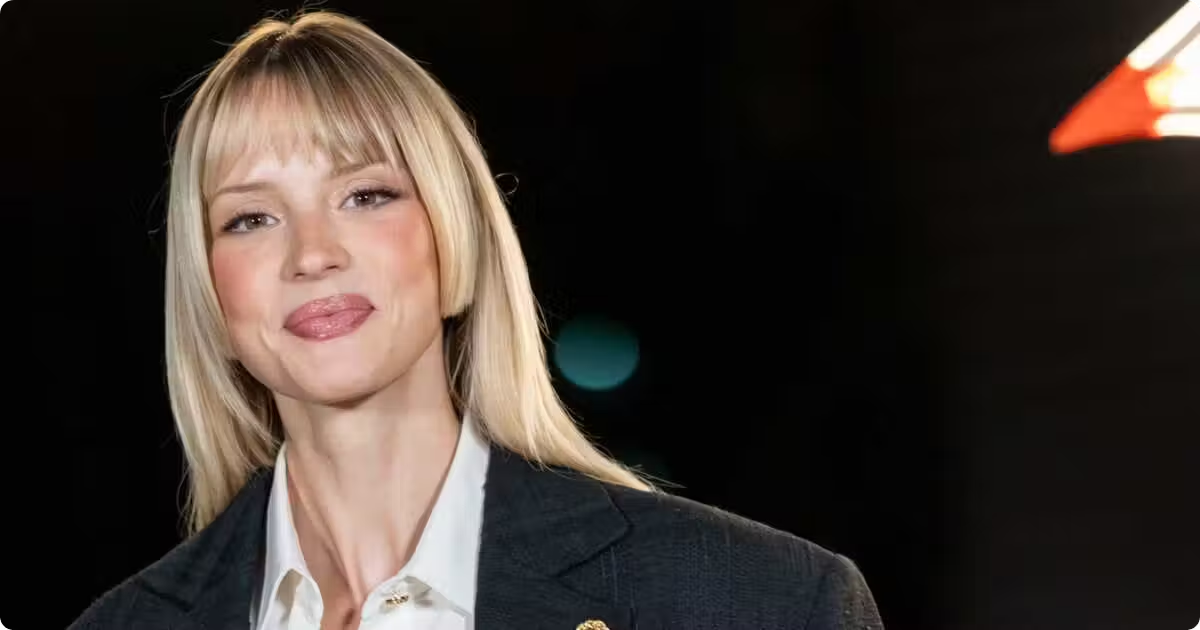
Belgian singer Angèle addressed the widespread issue of unsolicited explicit images, commonly known as “dick-pics,” during an appearance on the French television talk show C à vous on Tuesday, November 10, 2026. The 30-year-old artist spoke candidly about the sexual harassment she receives online, confirming that male users frequently send intimate photographs to her through social media direct messages. Angèle framed these incidents as a form of sexist violence and cyberbullying, highlighting a phenomenon that many women, particularly those in the public eye, encounter regularly. Her remarks came shortly after the release of her latest album, which features the track “Trop,” a song that explicitly criticizes the sending of such non-consensual images. [1]
The discussion was also joined by actress and director Valérie Lemercier, who performed her own satirical take on the issue in the same episode of the program hosted by Léa Salamé on France 5. While Lemercier’s performance emphasized humor and ridicule toward the perpetrators, Angèle provided a more personal account of her experiences. When asked directly if she still receives these images, the singer responded affirmatively but noted that she has become more cautious over time. She explained that her song “Trop” was intended to discuss a real-world problem with levity and humor, aligning with the approach taken by Lemercier. The conversation underscored the pervasiveness of online sexual harassment and the emotional toll it takes on female public figures. [1]
Angèle and Lemercier used their platform to urge a change in behavior, with lyrics displayed on screen advising viewers not to send unsolicited explicit photos regardless of how confident they might be in their appeal. The dialogue highlighted the distinction between consensual sharing and unwanted harassment, emphasizing that respect is paramount regardless of whether the sender knows the recipient. Angèle added a nuanced point to the discussion, noting that even when someone is known to the recipient, the act remains unacceptable if the recipient does not want to receive such content. Their combined efforts brought significant attention to the ongoing legislative debates in France regarding the criminalization of non-consensual image sharing, with proposed penalties including up to one year in prison and fines of 15,000 euros pending Senate approval. [1]
- Categories:
- Entertainment