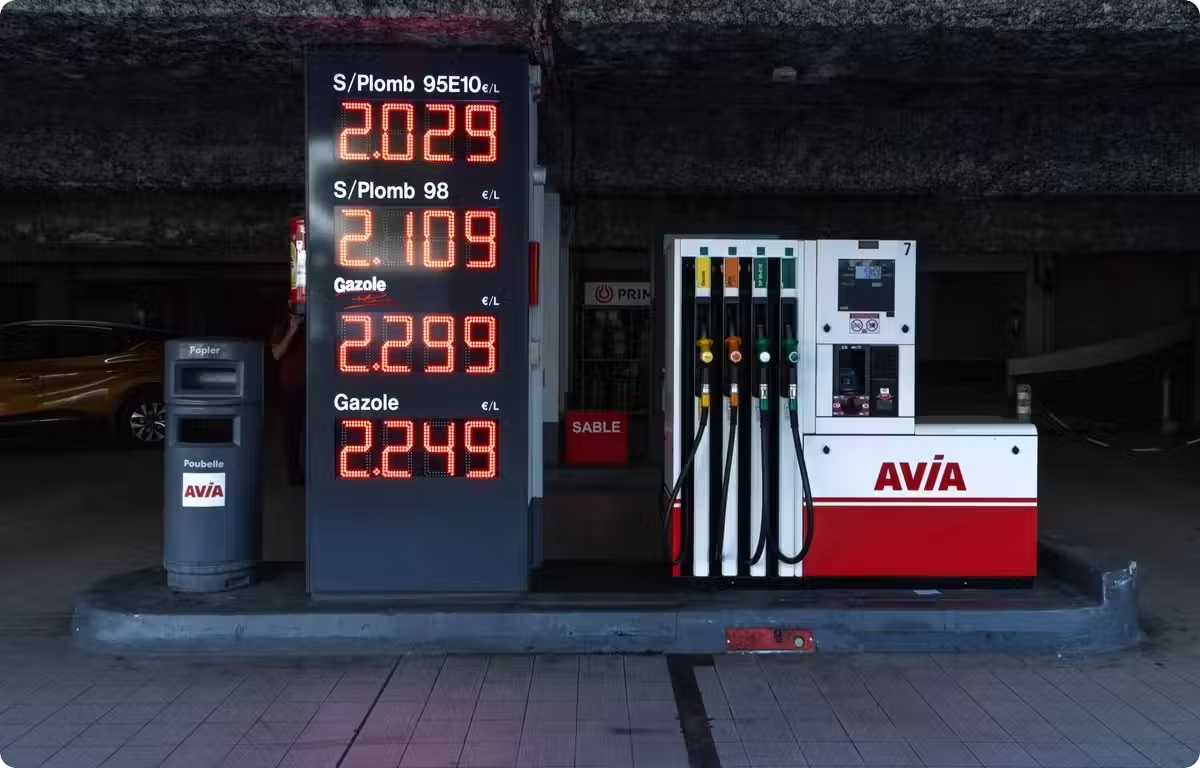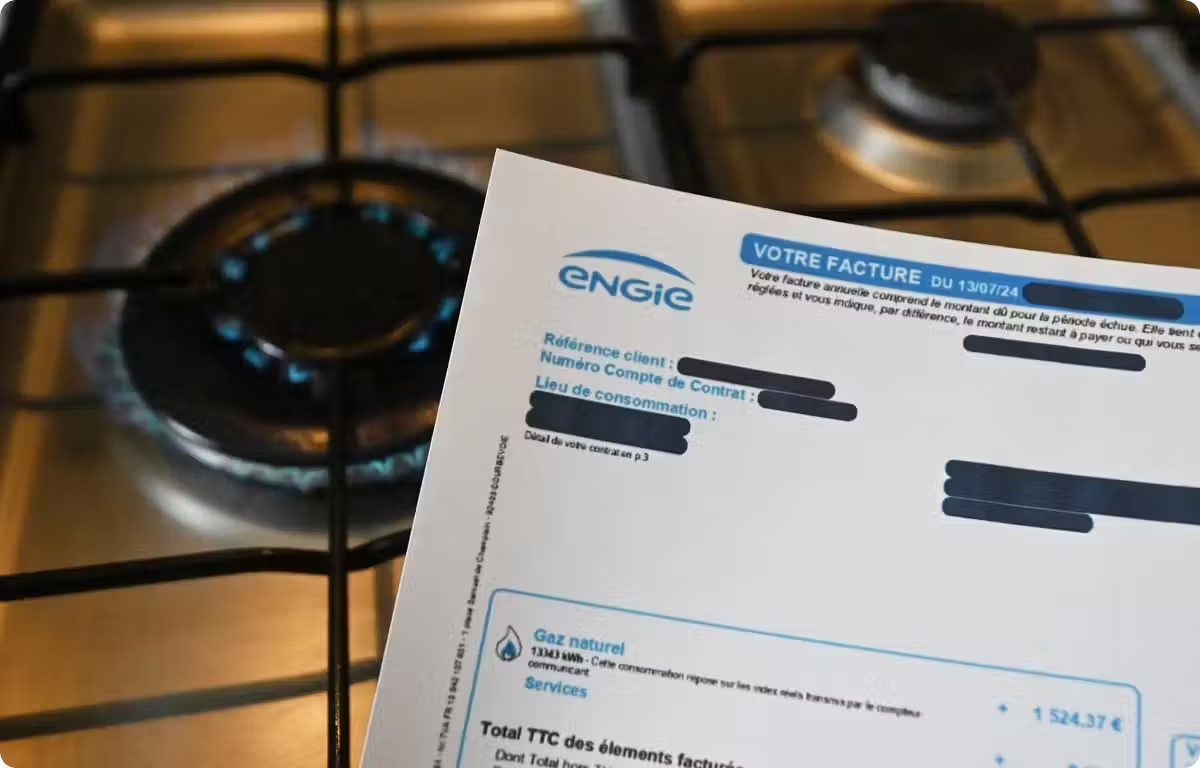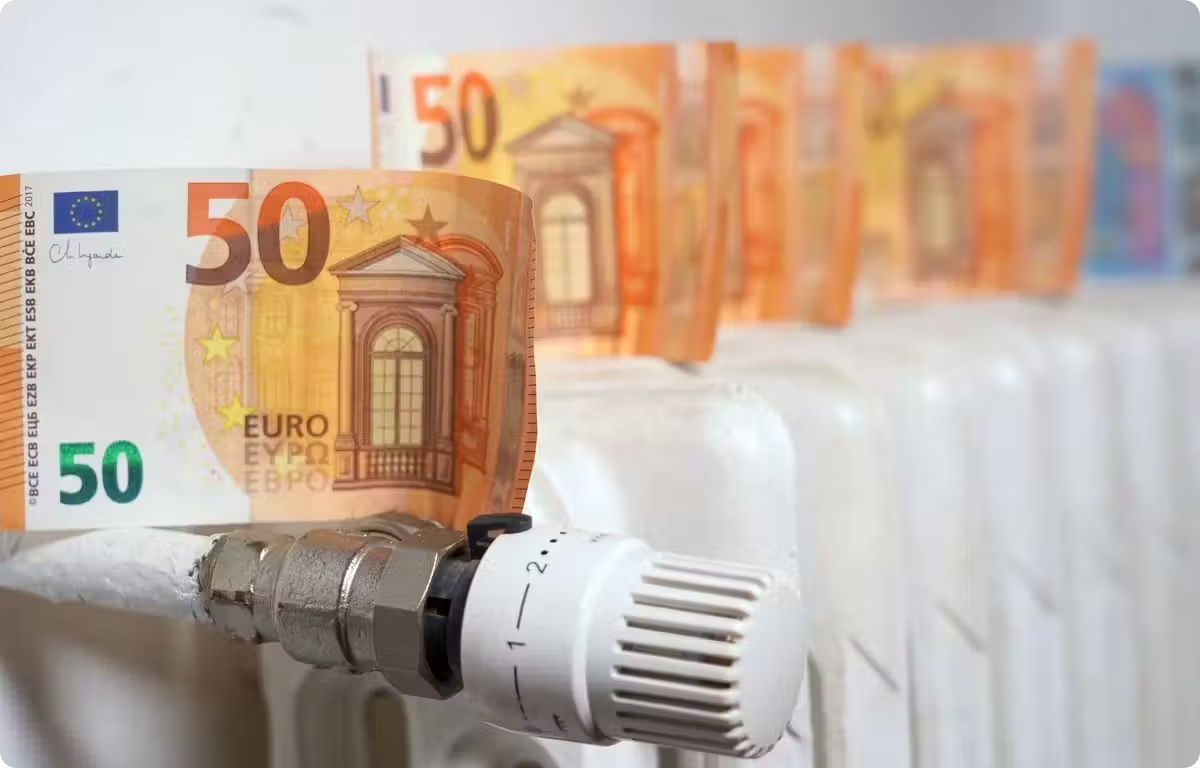
In France, a viral social media trend has emerged as the cold weather sets in, where users compete on platforms like X and TikTok to delay turning on their home heating for as long as possible. This behavior, often framed humorously as a challenge, stems from severe economic pressure. According to the latest barometer by the National Energy Ombudsman (Médiateur national de l'énergie), 34% of French households faced difficulties paying energy bills, a figure that rises to 55% among those under 35. Consequently, 72% of households voluntarily reduced their heating during the previous winter, and 35% suffered from cold for at least 24 hours. The sentiment is further fueled by a misunderstanding of billing structures, exemplified by a viral post claiming one pays '50 euros in taxes' even with '0 euros for heating'. [1]
Fact-checkers have clarified the mechanics behind this anxiety. An energy bill consists of a fixed part (subscription/abonnement) and a variable part (consumption). Even with zero energy use for heating, consumers must pay the fixed subscription and associated taxes. The National Energy Ombudsman’s simulations show that for gas, annual fixed costs including the Tariff Transport Contribution (CTA) and Value Added Tax (VAT) on subscriptions can reach nearly 109 euros, averaging about 9 euros per month. For electricity, fixed contributions total around 60 euros annually. Thus, accumulating 50 euros in non-consumption-related taxes over five to six months is realistic, debunking the idea that such costs are entirely arbitrary while confirming the financial burden on disconnected households. [1]
- Categories:
- Energy
- Entities: