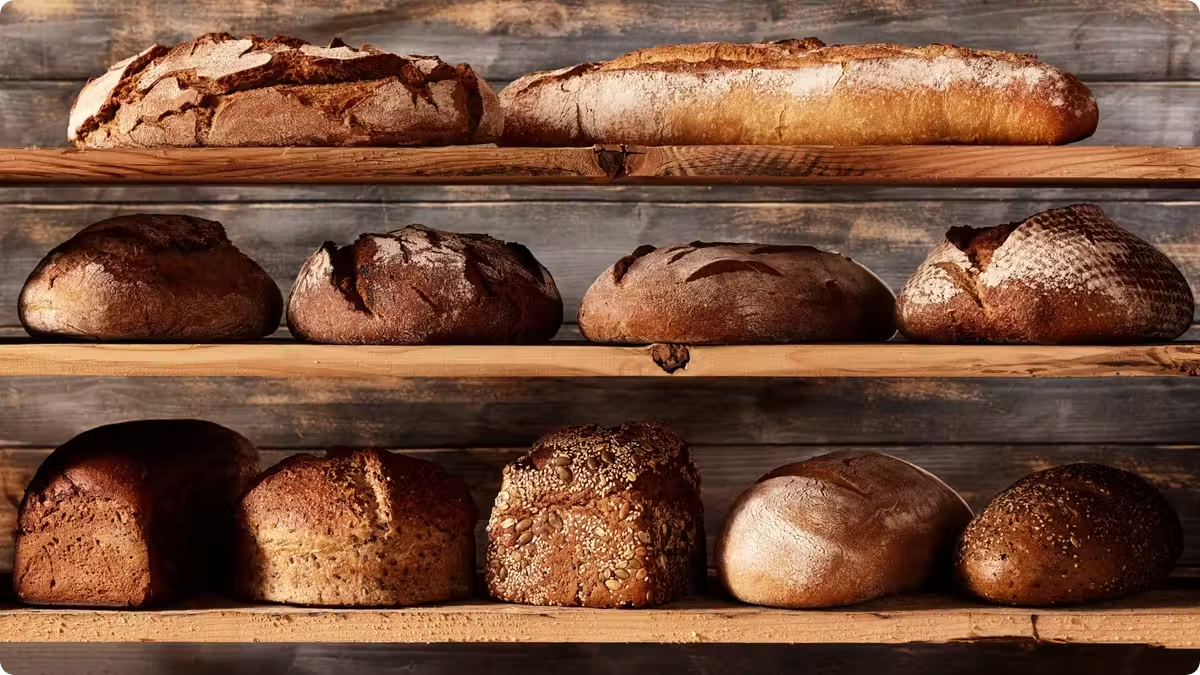
Freshly baked bread is often celebrated as a daily luxury, prized for its crisp crust, moist crumb, and inviting aroma. However, it is also notoriously perishable; within just a few days, a loaf can become dry, stale, or develop unsightly green patches of mold. Understanding the science behind bread's shelf life and adopting proper storage techniques can significantly extend its freshness, ensuring that every slice retains the quality of when it first left the bakery.
The fundamental challenge in preserving bread lies in balancing moisture. Bread requires sufficient air circulation to prevent humidity from becoming trapped, which causes the loaf to sweat and accelerates mold growth. Conversely, excessive exposure to dry air causes the bread to lose moisture rapidly, resulting in a hard, unpalatable texture. Experts recommend storing bread in a well-ventilated bread bin or a ceramic or earthenware bread box. These materials are ideal because they naturally buffer humidity, absorbing excess moisture from the bread when needed and releasing it back when the air is dry, thereby maintaining a stable microclimate around the loaf.
One of the most common and detrimental mistakes households make is storing bread in plastic bags. While the intention is usually to prevent the bread from drying out, the sealed environment traps moisture released by the bread. This trapped humidity softens the crust and creates an ideal breeding ground for mold. Instead, the original paper bag provided by the baker is suitable for keeping bread fresh for one to two days. For longer-term storage, the uncoated paper bag can be placed inside a ventilated bread bin to combine the benefits of breathability and protection.
The type of bread significantly influences how long it stays fresh. Bread with a higher proportion of rye, whole grains, bran, or sourdough tends to remain moist and fresh for much longer than white wheat bread. Rye grain has a superior ability to bind moisture compared to wheat. Consequently, light wheat breads and rolls typically dry out within two to three days. In contrast, pure rye bread can remain fresh for up to ten days if stored correctly. Therefore, selecting the right type of bread based on intended consumption time is a crucial step in preservation.
Several small but effective tricks can further prolong the life of a loaf. Purchasing a whole loaf is generally better than buying pre-sliced bread, as the exposed surface area of cut bread is more prone to drying out and contamination. If the bread has already been cut, placing it with the cut side down on a board or the bottom of the bread bin slows down the drying process of the crumb. Additionally, any homemade bread must be allowed to cool completely before being placed in a storage container. Placing warm bread in a closed container causes condensation to form, which softens the crust and promotes spoilage.
Maintaining cleanliness is equally important. Bread boxes and topfs should be cleaned regularly, ideally once a week, using a solution of water and vinegar. Vinegar is effective at killing spores and bacteria. Crumbs and residual food particles act as a nutrient base for mold; therefore, keeping the storage container spotless prevents cross-contamination and keeps the next batch of bread fresh for longer.
- Categories:
- Education