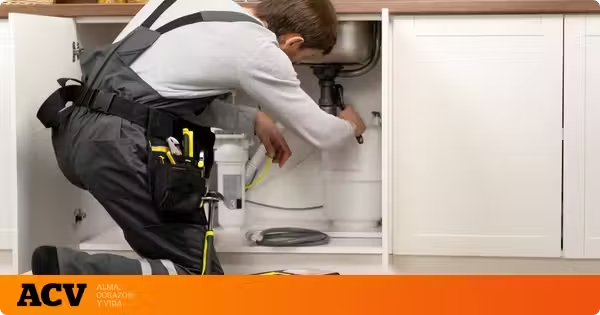
Spain is currently witnessing a profound demographic crisis within its most essential traditional trades, a sector characterized by a stark disconnect between rising public demand and a dwindling workforce. The profession of plumbing, alongside other skilled manual occupations, stands at the precipice of extinction due to a severe lack of generational renewal. For decades, these roles served as reliable pathways for social mobility and stable employment, but today, they struggle to attract the next generation of workers despite being critical to the functioning of modern infrastructure and private households alike. [1]
At the heart of this crisis is the testimony of experienced practitioners who see the industry dying around them. Ángel, a master plumber with a quarter-century of experience, articulates the blunt reality facing his peers: there is simply no replacement coming. 'There is no generational turnover,' Ángel observes, highlighting a trend that has accelerated in recent years. 'It is becoming increasingly difficult for young people to catch up with the work rhythm required to be plumbers.' This statement captures more than just fatigue; it reflects a fundamental shift in the expectations and tolerance levels of the modern labor market toward jobs that offer high physical exertion and irregular schedules. [1]
The challenges plaguing traditional trades are multifaceted, stemming from both the nature of the work itself and the economic incentives provided to those who perform it. The daily routine of a plumber often involves demanding physical conditions, exposure to difficult environments, and pressure associated with urgent repairs. These factors fail to appeal to a population that is increasingly educated, value-driven, and attracted to careers perceived as having better quality-of-life outcomes, such as office-based roles, technology sectors, or service industries with predictable hours. Consequently, the remuneration offered in many traditional trade roles has not evolved enough to compensate for the harsh realities of the job, leaving a significant imbalance between what society demands and what professionals are willing to provide. [1]
Beyond the immediate appeal of the job, the structural barrier of training poses a formidable challenge. While Ángel acknowledges the necessity of theoretical education, he emphasizes that true competency in plumbing relies heavily on practical application. 'They need to do internships; that is how one learns,' he explains. The gap between classroom theory and the messy, complex reality of onsite problem-solving cannot be bridged without extensive, often arduous, hands-on mentorship. Young entrants into the workforce are often hesitant to commit to paths that require such intensive practical immersion, preferring quicker entry points into the labor market that demand less initial vocational grit. [1]
The paradox of the current situation is that demand for these services is at an all-time high. Home maintenance, renovations, and urgent repair needs continue to surge, placing immense strain on the few remaining active plumbers. These professionals are stretched to their limits, unable to keep up with the volume of requests. This overextension further tarnishes the image of the profession among potential recruits, reinforcing the cycle of scarcity. As existing workers burn out or retire without successors, the availability of skilled plumbers shrinks, driving up costs and potentially leading to shortages in basic services for citizens. [1]
This demographic cliff is not unique to Spain but is particularly acute in economies with strong traditions of vocational engagement that are now aging. The specific issue of 'generational relay'—the passing of skills and client bases from older masters to younger apprentices—is breaking down. Without intervention from educational institutions, governments, and industry leaders to rebrand these jobs, improve compensation structures, and integrate modern tools that reduce physical burden, the profession risks collapsing under its own historical weight. [1]
For the broader economy, the decline of such traditional trades represents a hidden vulnerability. Infrastructure integrity, housing quality, and public health are intrinsically linked to the presence of skilled manual workers. When the labor pool dries up, the cost of living rises, and the resilience of communities weakens. Ángel’s warning serves as a crucial signal: if the youth do not pick up the tools, the work will not get done, regardless of the necessity of the task. The survival of these vocations depends on a societal shift in how blue-collar work is valued, compensated, and taught.
- Categories:
- Education