Spanish energy experts have clarified common misconceptions surrounding household electricity consumption, emphasizing that certain everyday habits perceived as major energy drains have minimal impact on monthly bills, while others often overlooked contribute significantly to rising costs. Javier Dasí, an energy expert, noted that changing consumption habits does not automatically guarantee lower electricity bills if the underlying inefficiencies remain unaddressed. Similarly, Manuel, another energy specialist, pointed out that the majority of home appliances continue to draw electricity even when users believe they are turned off, particularly those with standby lights still illuminated.
The discussion stems from a video shared by Pulso Solar, a Spanish solar panel account specializing in energy education, which analyzed various domestic scenarios to identify behaviors that genuinely affect energy expenditure. The video highlights that while many households attempt to reduce consumption by switching off lights or unplugging devices, not all actions yield equal economic benefits. Some seemingly harmless practices can significantly increase energy bills, whereas others have a barely perceptible effect. The analysis aims to guide consumers toward modifications that result in meaningful savings. [1]
One of the most striking examples provided involves the washing machine. Experts explain that selecting a wash cycle at 60 degrees Celsius can notably increase electrical expenditure because the appliance must use substantial energy to heat the water. 'Heating the water increases consumption significantly,' warned Pulso Solar. Consequently, using lower temperature programs, where clothing care labels permit, can help reduce costs. The dryer also demands attention; while practical during colder or rainier months, daily use can represent a heavy energy load. Recognized as one of the highest-power appliances in the home, the dryer's frequent use contributes heavily to consumption. Whenever possible, air-drying clothes outdoors is recommended as a more efficient alternative. [1]
Air conditioning systems require similar caution. Running the unit at very low temperatures, such as 19 degrees Celsius, places considerable strain on the equipment, especially when there is a large disparity with outdoor temperatures. 'The more you demand the temperature to drop, the more energy it consumes,' explained the educators. Adjusting the thermostat to a moderate level helps avoid unnecessary consumption without sacrificing comfort. Additionally, electronic devices left on for extended periods, such as computers running throughout the day even when unused, incur costs depending on their power rating and activity. Televisions in standby mode also consume electricity, though experts note the impact is small. While standby does increment consumption, it does so 'to a little' extent. [1]
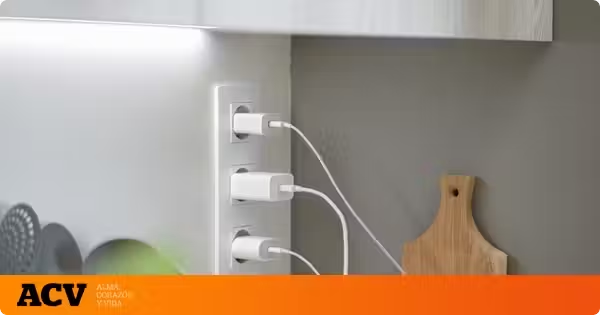
In contrast to these high-impact habits, other domestic practices have a much smaller footprint. Leaving a mobile phone charger plugged in when not in use involves only a small residual consumption; modern chargers require very little electricity when not actively charging a device. Therefore, keeping them plugged in does not cause a significant spike in the bill. The dishwasher presents a similar counter-intuitive finding: running it with a full load does not increase consumption but rather maximizes the efficiency of water and energy used per cycle. This method is more efficient than operating the machine multiple times with few utensils, particularly when combined with low-consumption programs. Finally, experts recommend using LED bulbs, which require less electricity than traditional lighting technologies for equivalent light output. The key takeaway is identifying high-energy appliances and reviewing their usage patterns. [1]
- Categories:
- Economy