Perpignan's annual funfair is grappling with severe attendance drops driven by the cost-of-living crisis, fundamentally altering how families experience traditional holiday outings. Visitors report that prices for rides, food, and games have surged to levels where casual spending is no longer feasible, turning what was once a carefree afternoon into a stressful exercise in budgeting. The trend has forced fairground operators to adjust their business models, yet even reduced tariffs struggle to attract crowds compared to previous years. [1]
Families are engaging in rigorous negotiation over costs, with parents expressing frustration that small pleasures have become prohibitive expenses. Mathilde, a nurse and long-time visitor to the Perpignan fair, noted that even discounted prices today exceed the standard prices of her childhood. She highlighted that a kebab, which previously cost three or four euros, now requires ten, making it difficult to maintain the spirit of 'pleasure purchasing' without constant calculation. This sentiment is echoed by Sebastien, who remarked on the absurdity of charging five euros per ride when months are already financially tight. The price has become the primary filter for enjoyment, replacing thrill or speed as the deciding factor for which attractions to visit. [1]
The economic pressure has created a stark divide in attendance between cheaper and premium attractions. Rides priced at three euros are consistently full, while those costing five euros often stand empty due to a lack of customers willing to pay for high-thrill experiences like the 'Shake Off'. Conversely, the 'Turbine', a towering 70-meter-high ride priced at eight euros per ride, defies this trend and continues to draw large crowds, largely because it represents a entrenched family tradition for many locals despite its high cost. Even this popular attraction, however, highlights the financial strain, as visitors compare the eight-euro cost to two hours of happy hour drinks, questioning the value proposition of a two-minute ride. [1]
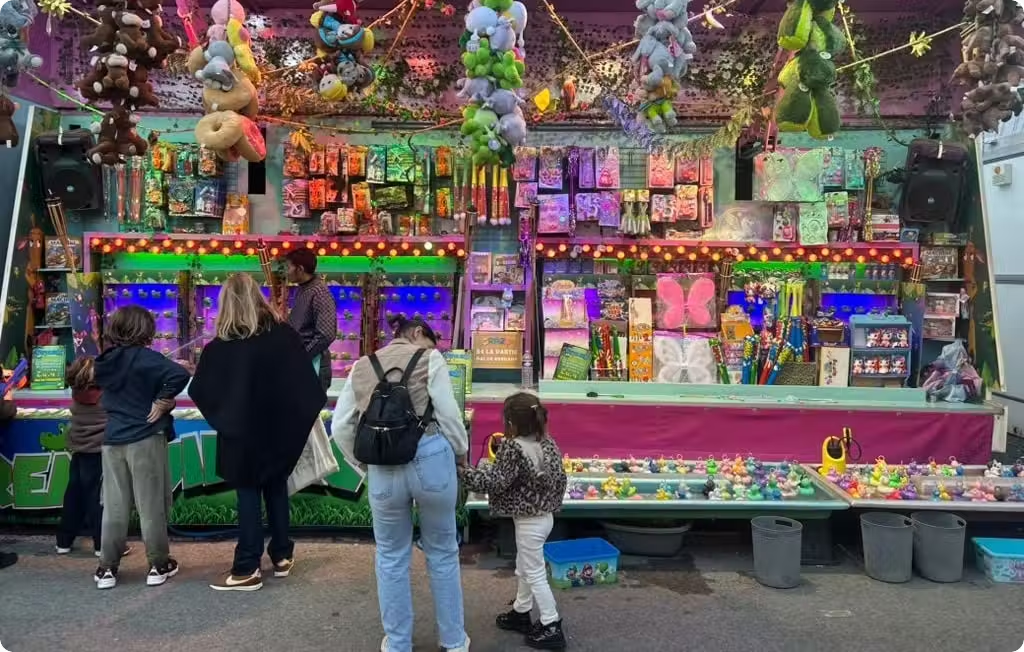
Fairground operators are equally affected, facing difficult decisions between running rides that consume significant electricity and energy costs versus leaving them idle. Many attractions are running at half capacity or remaining completely stationary, which operators describe as depressing but financially necessary, as running a ride at a loss is unsustainable. Traditional standalone snacks and games, such as sausage stands and shooting galleries, have become deserted, with visitors preferring the perceived value of a ride over a game of chance. Some visitors have had to abandon beloved traditions entirely, such as giving up on cheap beignuts, which have also risen in price, further signaling the erosion of the affordable joy that characterizes these events. [1]
- Categories:
- Economy