New guidance for parents in the United States focuses on how to raise children who belong to both their family’s Latino origin and the country where they grow up, emphasizing coexistence rather than choosing one culture over the other. The material stresses talking at home about family origins, keeping meaningful traditions alive and discussing openly what it means to be Latino in the United States, with research linking ethnic pride to greater wellbeing in minority children and adolescents. It notes that studies show associations, not causal proof.
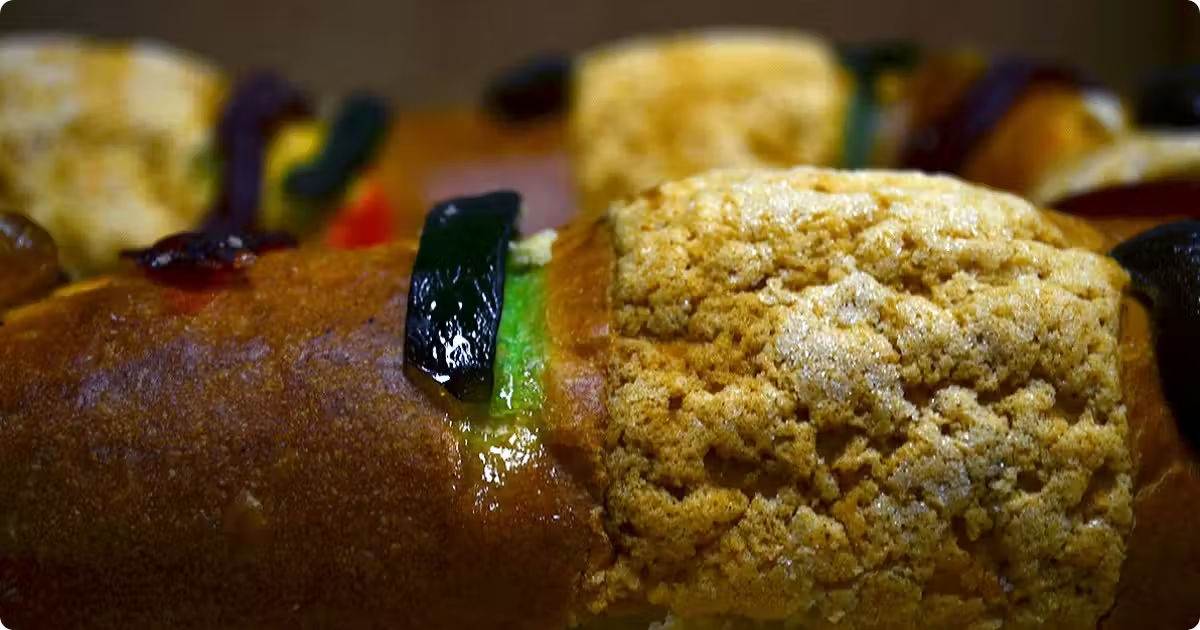
The article uses a January 5 scene in Houston as an illustration: a Mexican mother hides three small gifts by shoes left at the door, followed the next day by rosca, hot chocolate and a light debate about who will make tamales on February 2 after the muñequito appears. The children attend a school where few have heard of Three Kings Day but count down to the morning as eagerly as for Christmas, reflecting the dual calendars many immigrant households live.
Raising between two cultures is described as educating a child who belongs simultaneously to the family’s culture of origin and the host country. Rather than a 50/50 split, bicultural children often develop a personal identity that blends Spanish from grandparents, school baseball, parents’ music and friends’ series into a single landscape. The goal is comfort in both worlds without having to renounce either.
The piece explains that ‘Latino’ is not monolithic. A Dominican family in New York, a Salvadoran family in Los Angeles and a Colombian family in Miami celebrate, eat and speak in distinct ways. What is transmitted is the concrete family story, not a generic ‘Hispanic culture.’
On why roots matter, the guidance cites a 2014 meta-analysis by Deborah Rivas-Drake and colleagues in Child Development that synthesized 46 studies with minority youth and found feeling good about one’s ethnic group associated with fewer depressive symptoms, higher self-esteem and better academic performance, with small to moderate effect sizes. Adriana Umaña-Taylor and colleagues’ 2014 work in the same journal is noted as describing ethnic identity as built gradually, with adolescents exploring, questioning, pulling away and returning, with the relationship to family culture changing from adolescence into early adulthood.
Ethnic-racial socialization is introduced as everything parents convey, by words or example, about origin, group and how society treats them. It includes celebrating Three Kings Day and unplanned moments such as how adults talk about their country at the table or react to racist remarks in a supermarket. The 2006 review by Diane Hughes and colleagues in Developmental Psychology groups messages into cultural socialization, preparation for prejudice, fostering mistrust toward other groups and egalitarian messages. Cultural socialization was linked with more positive ethnic identity, while mistrust messages were linked with poorer outcomes.
For resources, the National Research Center on Hispanic Children & Families publishes studies and summaries on the lives of Latino families in the United States, aimed at those who work with children. National Research Center on Hispanic Children & Families
Traditions are presented as surviving better when adapted and meaningful than when enforced. Some families keep rosca and shoes on January 5 even if January 6 falls on a school day, moving a larger celebration to the weekend, or inviting children’s friends who discover a second round of gifts after Christmas. Explaining the why through photos, videos with grandparents and stories helps children remember the sense of ownership rather than just the gift. Small repeated rituals such as Sunday meals, lullabies, family sayings or patriotic holidays carry more weight than isolated large events.
When children reject aspects of their parents’ culture, the guidance advises against interpreting it as definitive. A 10-year-old refusing to speak Spanish around friends or a teenager saying Three Kings Day is for babies often reflects a desire to fit in. Pressure and punishment tend to push further away; keeping the door open by continuing Spanish at home without demanding replies, inviting without obligating to celebrations and showing interest in what children like about U.S. culture works better. Many young people who pull away in adolescence return to seek roots in college or when they have children of their own.
Talking about discrimination without sowing fear is highlighted. The American Academy of Pediatrics’ Spanish guide on talking to children about racial bias recommends starting early, listening to what the child has already noticed and answering questions honestly. With younger children, saying some people treat others badly for being different, that it is wrong and that they can always tell a parent is enough. With adolescents longer conversations about history, rights and responses are appropriate. The balance is preparing without transmitting blanket distrust; a child who knows their family supports them handles school incidents better.
Help-seeking pointers note that persistent shame about family, isolation, frequent bullying at school or daily identity arguments may warrant professional support from someone familiar with migration experiences. Directories in the United States list psychologists who see clients in Spanish by state, modality and schedule. Crisis numbers provided are 988 with option 2 for Spanish in the United States and 911 for immediate danger; from Spain, 024 or 112.
The accompanying article on children speaking English better than their parents frames the situation as expected in immigrant families and points to research suggesting the bond with the culture of origin protects children more than matching parental language. Typical scenes include children translating school letters and mixing English into dinner conversation, mixing pride and a sense of loss for parents.
- Categories:
- Culture