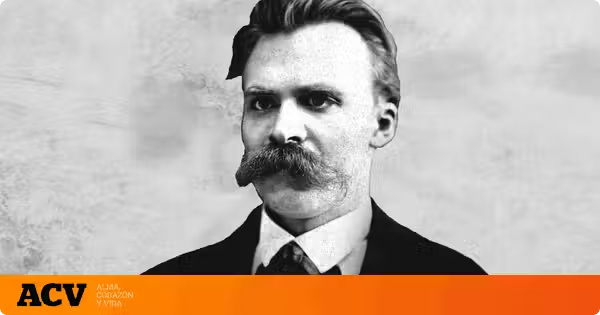
The German philosopher Friedrich Nietzsche offers a reflection on simplicity that invites a reconsideration of how life is lived. His thought recalls that complicating life is relatively easy, while simplifying decisions, abandoning perfectionism and finding happiness in the everyday demands conscious effort. [1]
In one of the phrases attributed to him, Nietzsche holds that “it is simple to make things complicated, but difficult to make them simple.” This idea takes on special meaning in a society marked by haste, obligations and the constant need to do more. [1]
Often, having a full agenda is confused with making good use of time, when that accumulation of responsibilities can end up causing stress and exhaustion. However, the real difficulty is not always in facing great challenges, but in learning to distinguish what is important from what only adds worries. [1]
An artisan who works with precision has not arrived there by chance. [1]
The easy can be the most intelligent. [1]
The German thinker's reflection also helps understand why simplicity can be seen as a sign of intelligence and experience. An athlete who executes a movement with naturalness or an artisan who works with precision have not gotten there by chance. [1]
Behind that apparent ease there are practice, knowledge and many decisions aimed at avoiding unnecessary effort. Therefore, doing something simple does not mean it lacks difficulty, but that it has been learned to resolve it without additional complications. This philosophy can be transferred to daily life through small changes. Reducing commitments, establishing priorities and accepting that not everything has to come out perfect are some ways to recover calm. Simplifying routines also allows dedicating more attention to activities that are truly enjoyed. The teaching conveyed by this phrase attributed to Nietzsche is that living better does not always consist of achieving more things, but in learning to need fewer complications. [1]
Simplifying routines allows dedicating more attention to activities that are truly enjoyed. The teaching conveyed by this phrase attributed to Nietzsche is that living better does not always consist of achieving more things, but in learning to need fewer complications. [1]
- Categories:
- Culture
- Entities: