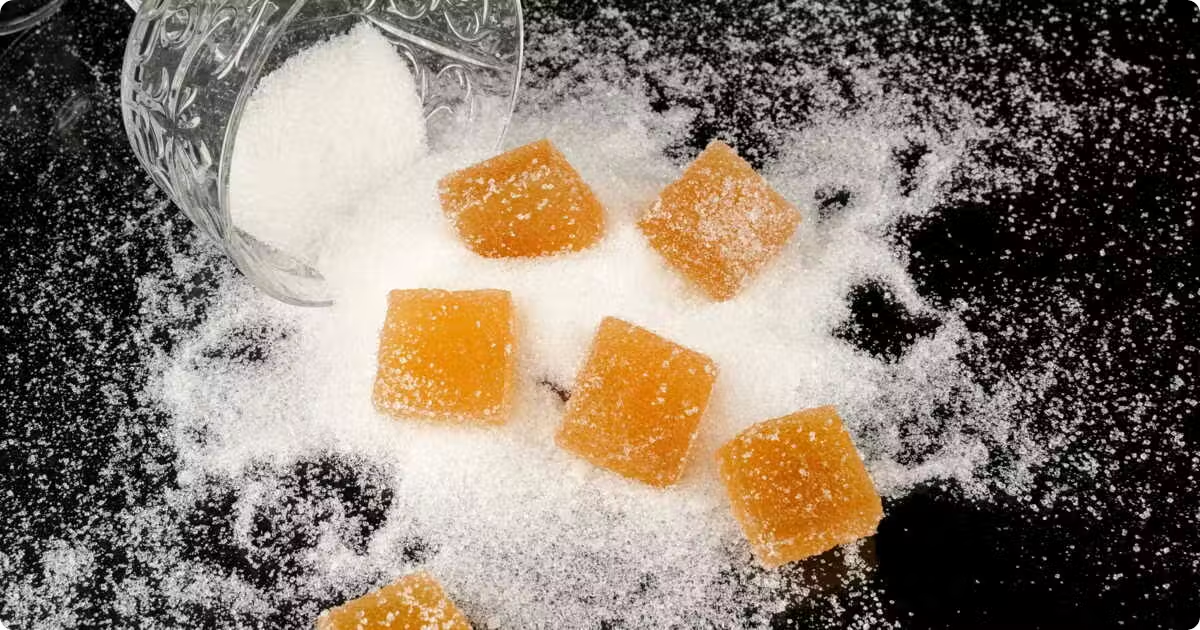
French gastronomic columnist Laurent Mariotte has unveiled a recipe for quince paste (pâte de coing), a traditional sweet delicacy that he recommends preparing in advance for the Christmas holidays. Drawing inspiration from his childhood memories, Mariotte described the preparation as a simple yet iconic alternative to standard festive chocolates or panettone, celebrating the fruit's aromatic and subtly acidic flavors. [1]
The recipe calls for 1 kg of ripe quinces, an equal weight of brown cane sugar, one lemon, and a piece of muslin cloth or gauze. The process begins by washing the quinces under cool water and cutting them into quarters. The pieces are placed in a large saucepan, covered with cold water, and supplemented with the juice of half a lemon to prevent oxidation and maintain color. The muslin cloth is draped over the surface before bringing the mixture to a boil and simmering for approximately 30 minutes until the fruit becomes tender. [1]
Once cooked, the quince pieces are removed, drained, and allowed to cool slightly. The skin, core, and seeds are discarded before the flesh is passed through a vegetable mill with a fine grate. The resulting pulp is weighed, and an equivalent amount of brown cane sugar is added and mixed in. The mixture is then transferred to a thick-bottomed saucepan and cooked over low-to-medium heat for about 30 minutes, stirred constantly with a spatula until the paste thickens and pulls away from the sides of the pan. [1]
In the final stage of cooking, the remaining lemon juice is incorporated, and the mixture continues to cook for five more minutes. The hot paste is poured into a rectangular dish to a depth of 2 to 3 centimeters, smoothed out, and left to cool. It must then be covered and refrigerated or stored in a cellar for at least 12 hours to set firmly before being cut into cubes and served. [1]
Mariotte offers specific tips to ensure the best texture and appearance, emphasizing the importance of the lemon juice and muslin cloth to prevent oxidation. He also suggests adding walnut or almond flakes to the paste just before spreading it in the dish for extra richness. The finished quince paste can be enjoyed on its own with coffee or tea, paired with hard cheeses such as Ossau-Iraty, Comté, or Manchego, or included in salads with lamb's lettuce, walnuts, or hazelnuts. [1]
- Categories:
- Culture
- Entities: