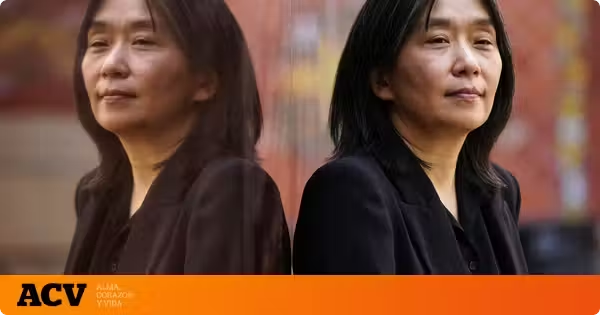
South Korean author Han Kang, the Nobel Prize in Literature laureate, has highlighted the unique and enduring bond between grandchildren and grandmothers, describing it as a relationship defined by unconditional giving. In an interview, Kang contrasted this dynamic with the often complex and conflict-ridden interactions found between parents and children. Kang stated, “Grandmothers are different. With them you don’t have a complicated relationship like with your parents… They give you everything without asking for anything.” This observation underscores a societal reality where the bond with female elders in the family structure is perceived as a source of pure affection and support, free from the power struggles or mistrust that can characterize other familial ties. [1]
The article emphasizes that affection and trust are essential values for building strong human connections, creating a support network that helps individuals navigate their darkest moments. However, maintaining these vital bonds requires deliberate effort and specific types of treatment to keep the connection intact, regardless of the closeness of the relationship. [1]
Debates surrounding family dynamics and social bonds have persisted for millennia, yielding some of humanity’s most significant observations. Han Kang’s commentary on the grandmother-grandchild relationship adds to this long-standing discourse, reflecting a widely shared sentiment about the special nature of intergenerational care within the family unit. [1]
The piece identifies a special relationship dynamic involving paternal-filial ties, noting that these relationships are not immune to conflicts that generate episodes of distrust and distancing among members. This potential for friction stands in stark contrast to the perception of the grandmotherly figure. [1]
Reiterating her previous points, Kang reinforced the idea that grandmothers approach affection with absolute and unconditional dedication. For older generations, particularly in matters of family, the understanding of love often prioritizes selflessness above all else. [1]
Even during life’s most difficult periods, grandmothers are depicted as ready to welcome their grandchildren with open arms and offer comfort. This image of unwavering support highlights the role of grandmothers as emotional anchors within the family structure, providing a sanctuary of acceptance that distinguishes their role from other parental figures. [1]
- Categories:
- Culture