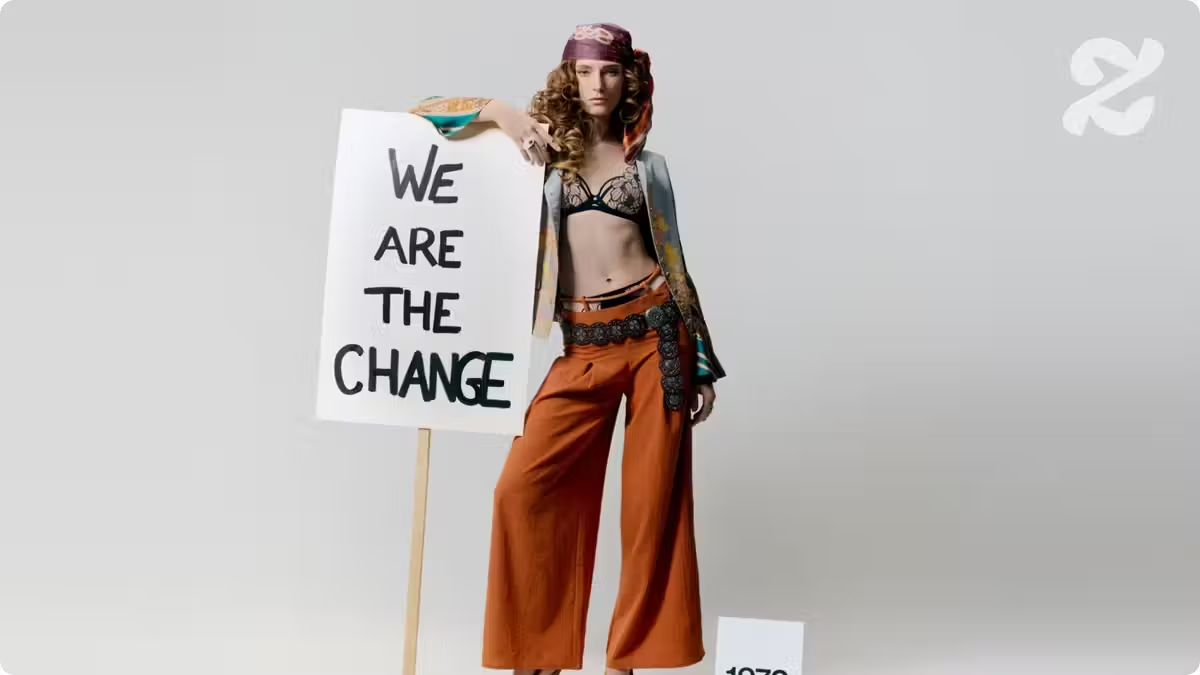
A historical retrospective published by Mademoiselle on November 20, 2026, examines the evolution of women's underwear over the past 150 years through the lens of the Chantelle brand. Sponsored content detailing the history of the lingerie giant, the article contrasts the restrictive fashion of the late 19th century with modern comfort-driven choices. [1]
In the late 1800s, the corset was the dominant undergarment, a device that compressed the waist and bust to enforce a specific silhouette deemed 'appropriate' by societal standards. Medical professionals raised concerns about its health impacts, while early feminists criticized it as a symbol of physical constraint. The article notes that the corset has made a comeback today, but strictly as a voluntary fashion accessory worn for aesthetic pleasure rather than structural necessity. [1]
The introduction of elasticated fabric marked a turning point in lingerie history. Chantelle, founded in 1876 by the Kretz family in Romilly-sur-Seine, France, pioneered the use of rubber-based elastic knitting. This innovation allowed garments to move with the body rather than imposing rigid shapes, a revolution that led to the initial sale of elastic girdles and corsets in pharmacies. [1]
Following World War II, the shapewear girdle became a staple in women's daily lives. Chantelle marketed this era with the memorable slogan, 'the girdle that doesn't ride up,' appealing to working women who needed reliable, stay-in-place support during busy days. By the 1960s, social shifts saw more women entering the workforce and hemlines rising, prompting a retirement of the girdle in favor of the bra. Chantelle opened a bra workshop in Épernay in 1961, advertising bras with the confident promise: 'Move, they won't move.' [1]
Throughout the 1980s, Chantelle embraced body positivity, with advertisements stating, 'Chantelle loves breasts... all of them,' regardless of size or shape. Notably, these campaigns featured non-erotic depictions of diverse bodies, a relative novelty for television at the time. To mark its 150th anniversary, the brand revisited this history through '150 Years of Women,' a series of sixteen photographs reinterpreting each decade. [1]
Modern consumer preferences have shifted towards soft, comfortable lingerie, often wireless, reflecting a broader trend of bodily autonomy. Fashion historian Salomé Dudemaine, commissioned to write Chantelle's 150-year history, reveals she does not wear underwear daily, illustrating the freedom that has replaced the constraints of the past. Chantelle continues to cater to this desire for comfort, with its internationally successful Norah line featuring floral lace and options with or without wires, adhering to the principle that good underwear should be forgettable once worn. [1]
The core message of the 150-year review is the transition from constraint to choice. The article concludes that the most significant development in the history of lingerie is the empowerment of women to decide what they wear, how they wear it, and ultimately, for whom—emphasizing the importance of dressing for oneself. The article is categorized under the fashion industry section. No additional contributions needed. [1]
- Categories:
- Culture
- Entities: